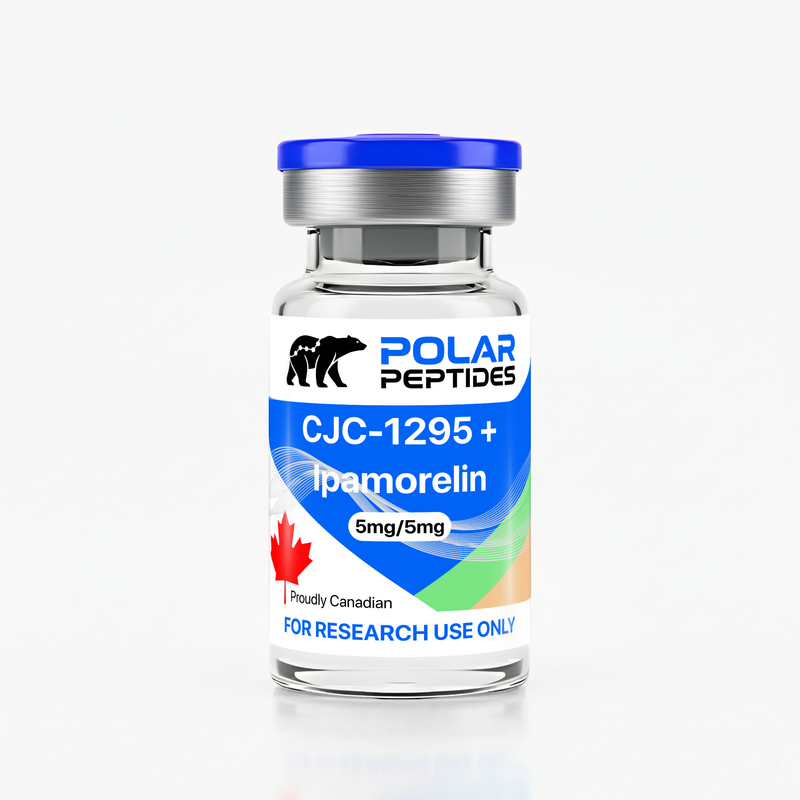
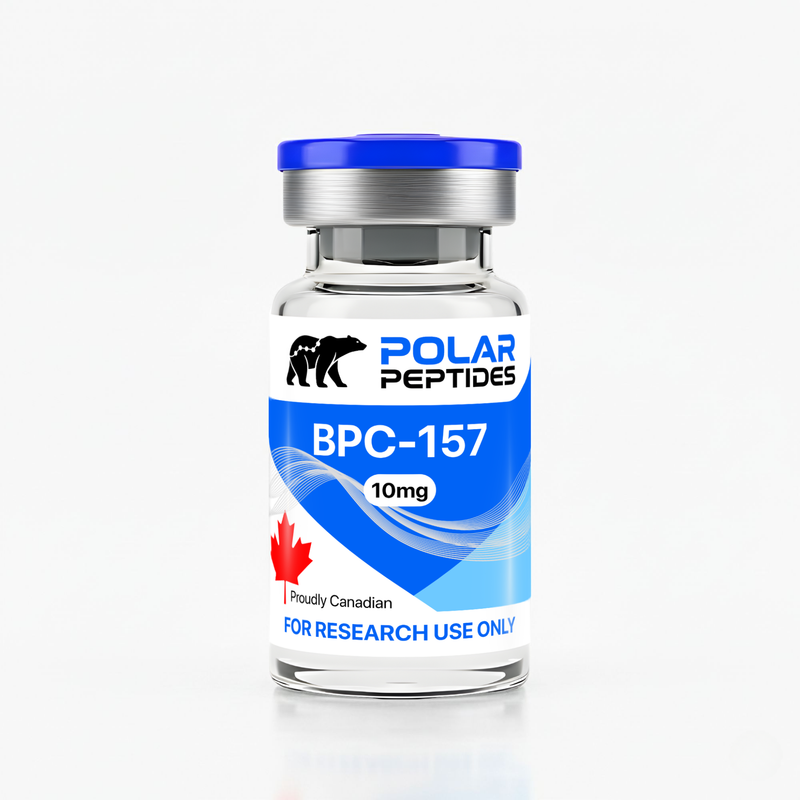
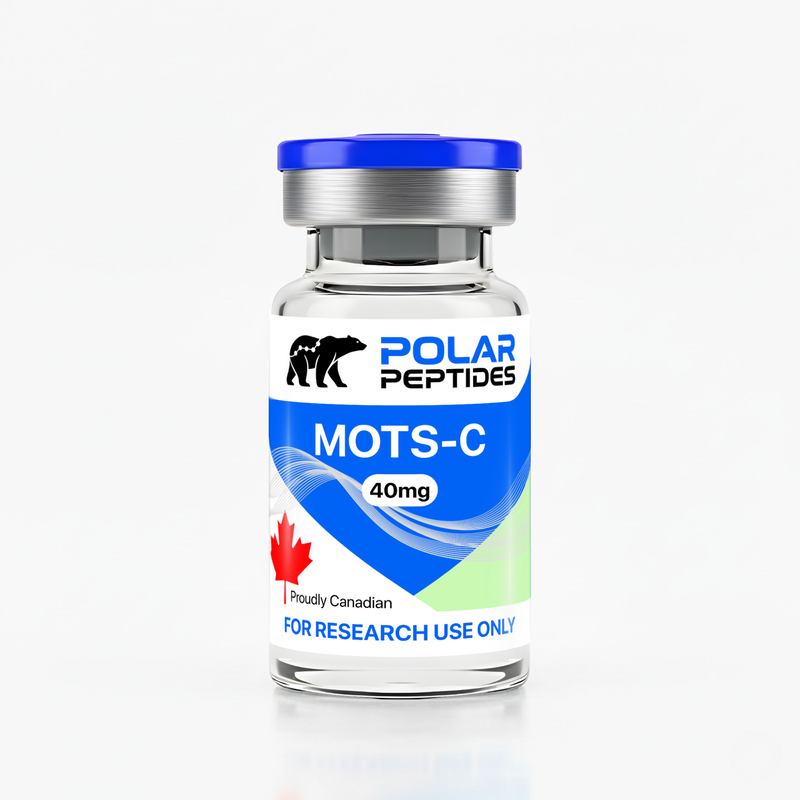
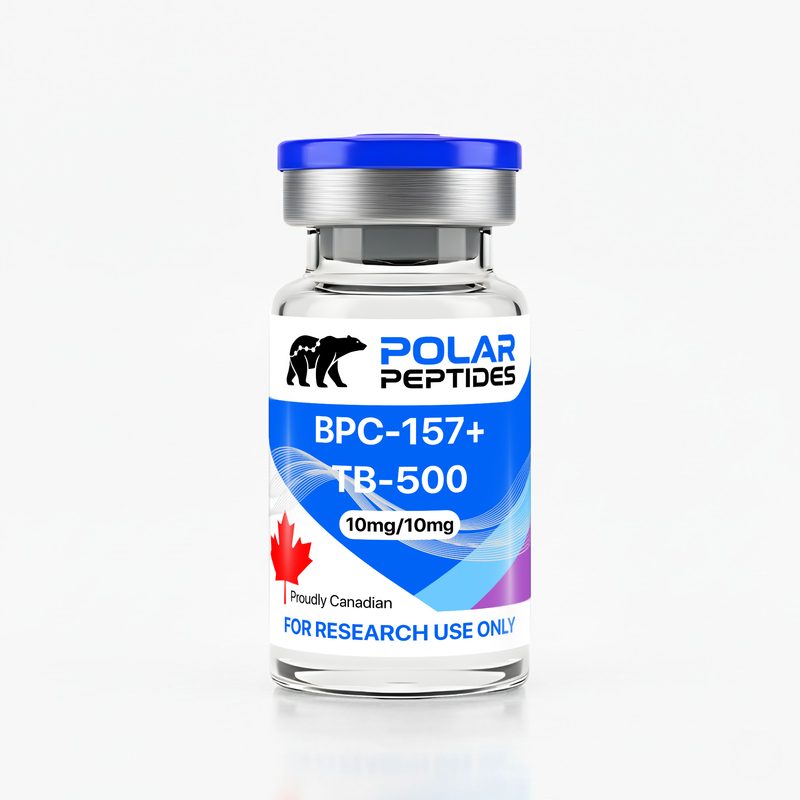
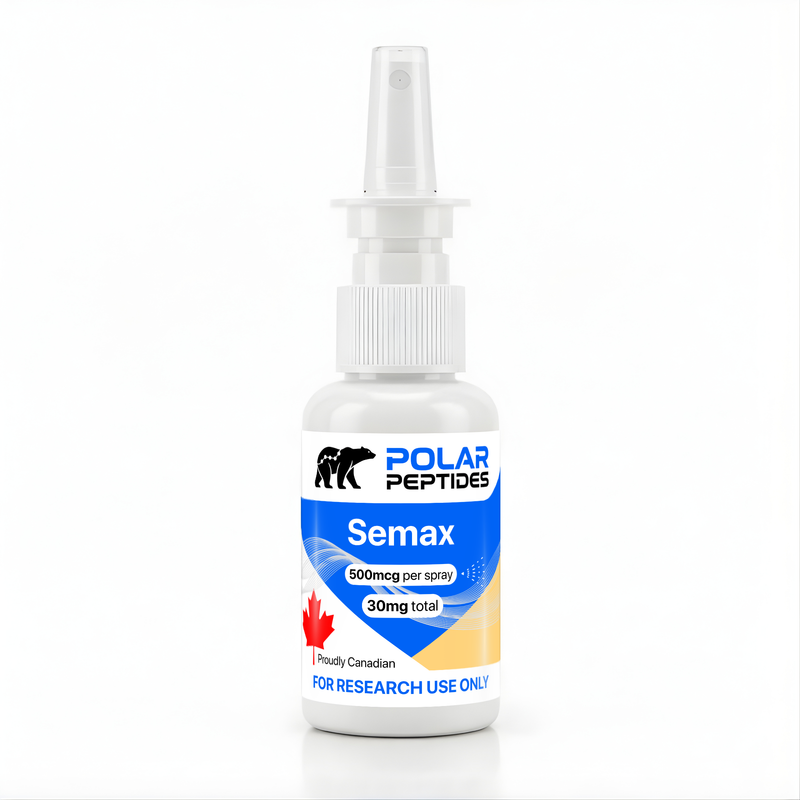
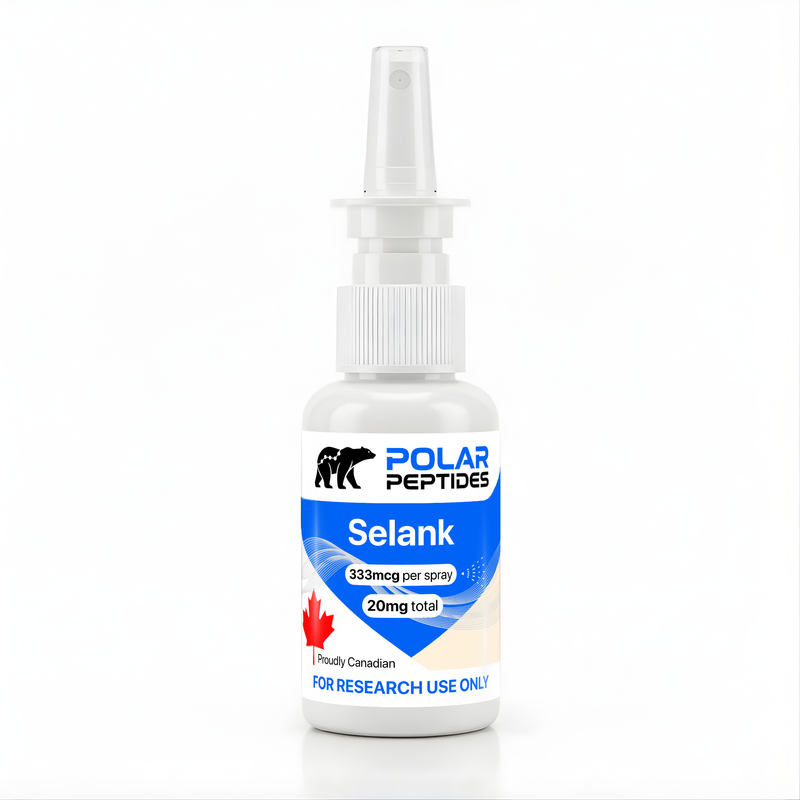
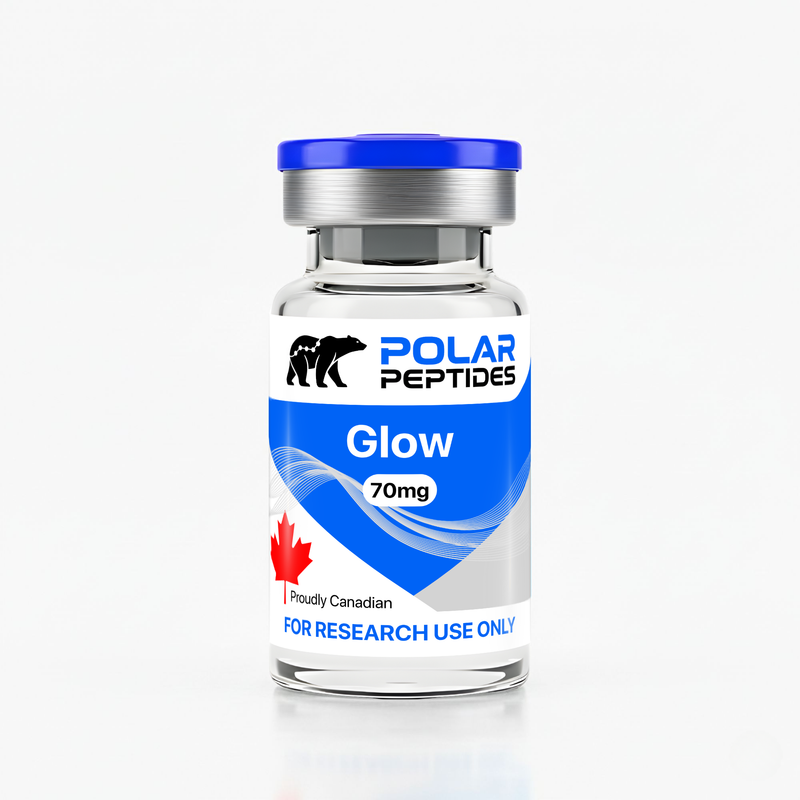
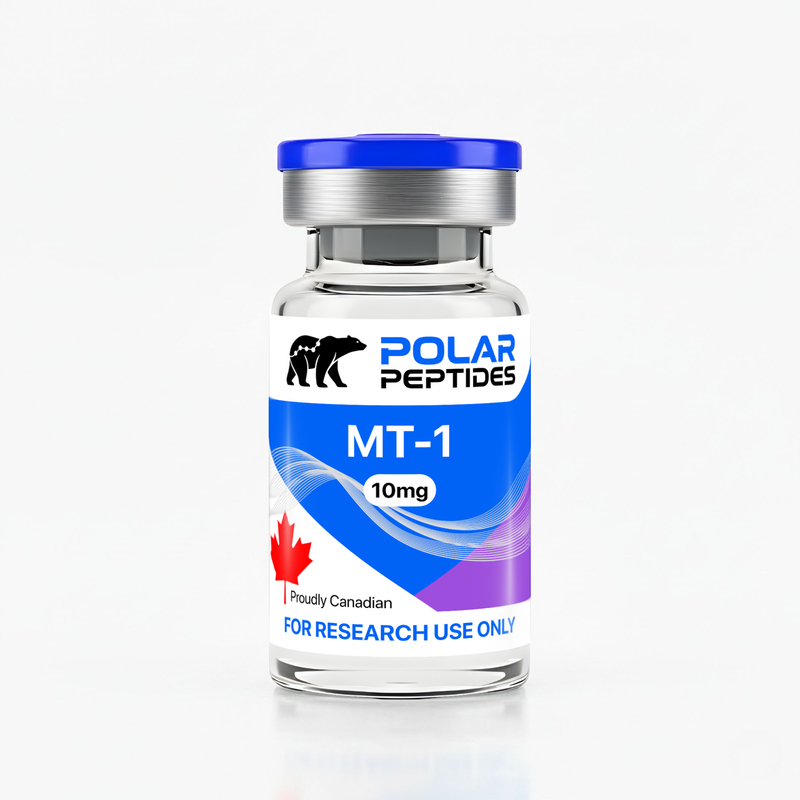
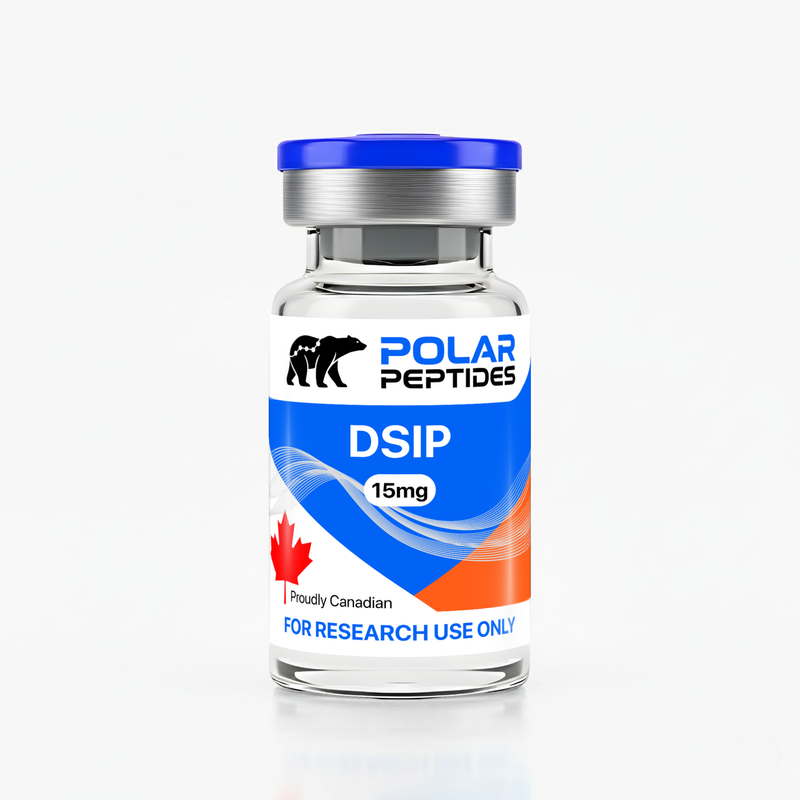
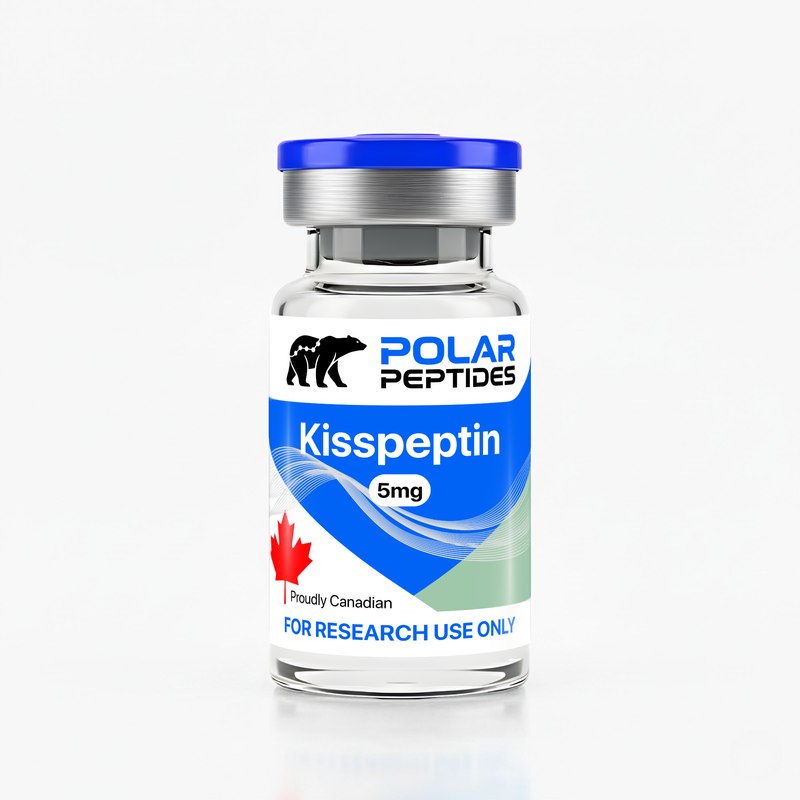
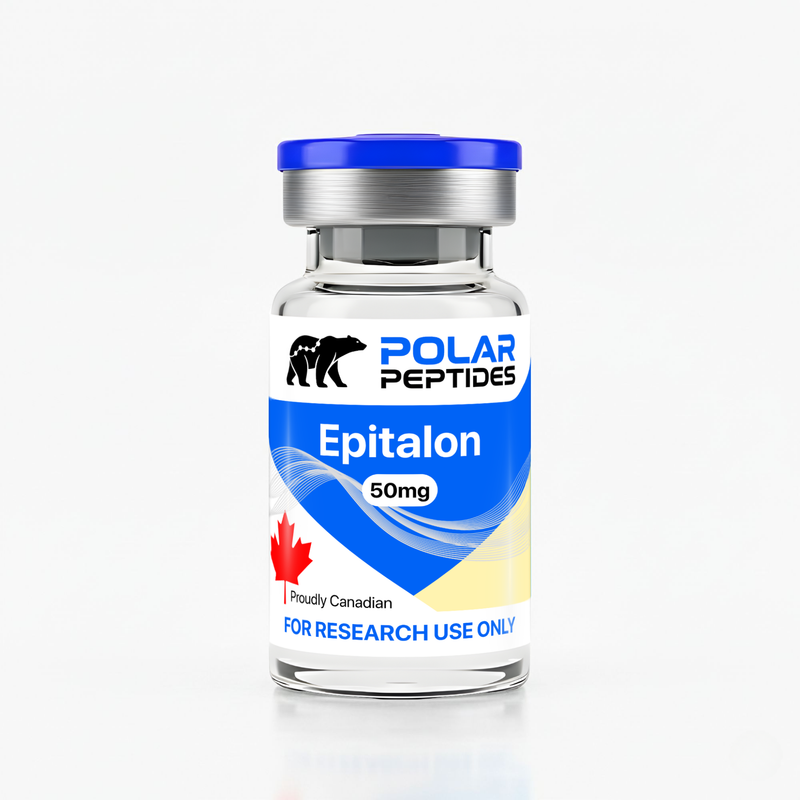
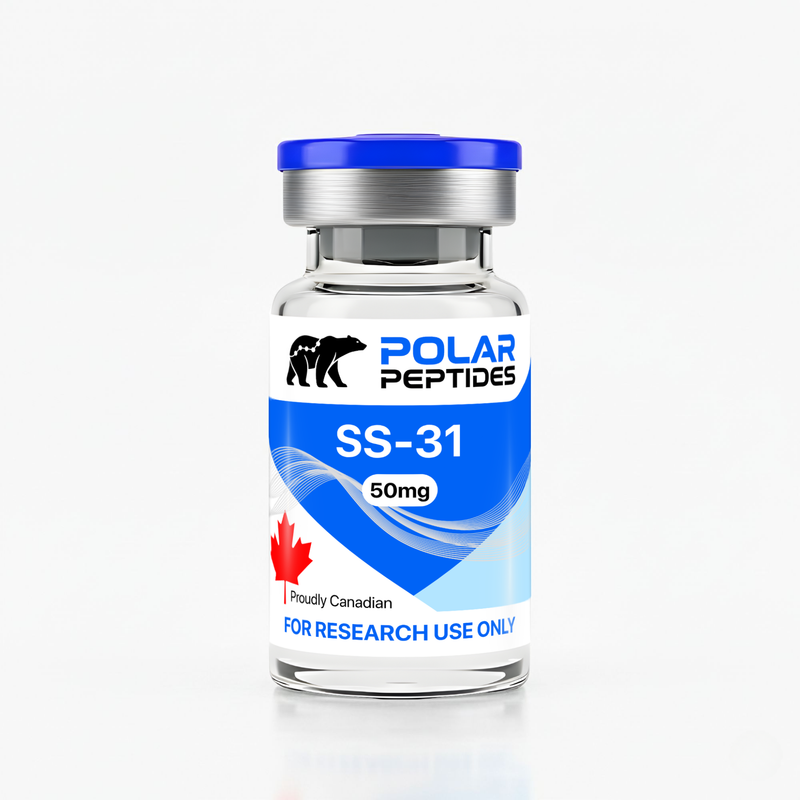
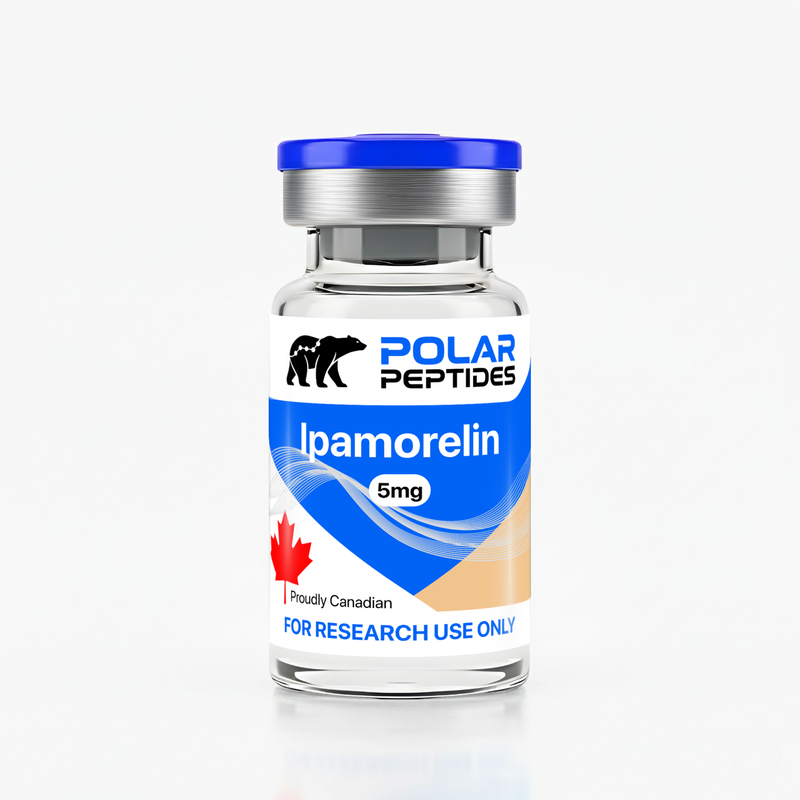
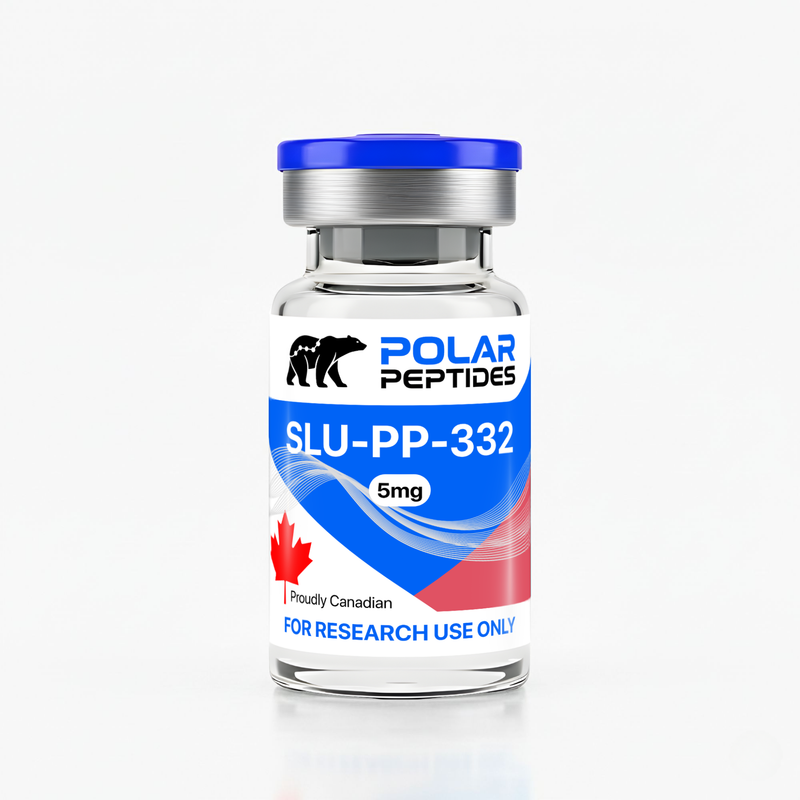
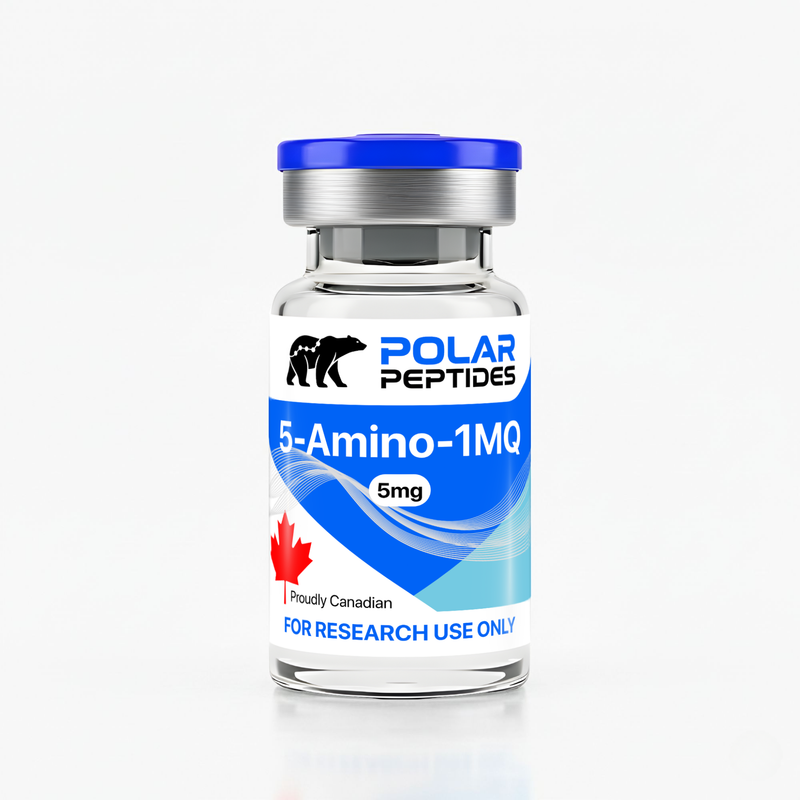
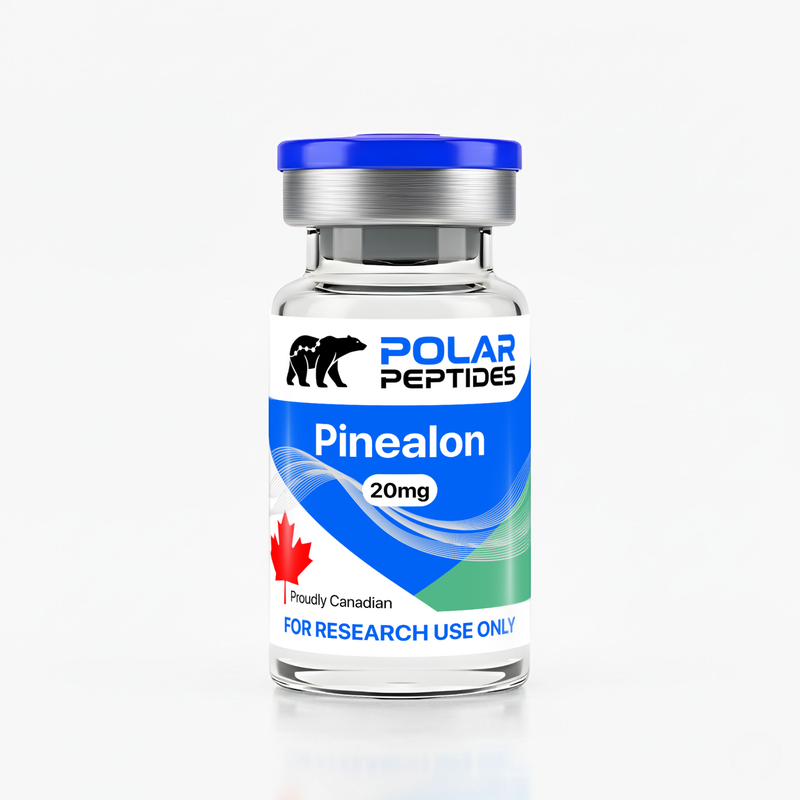
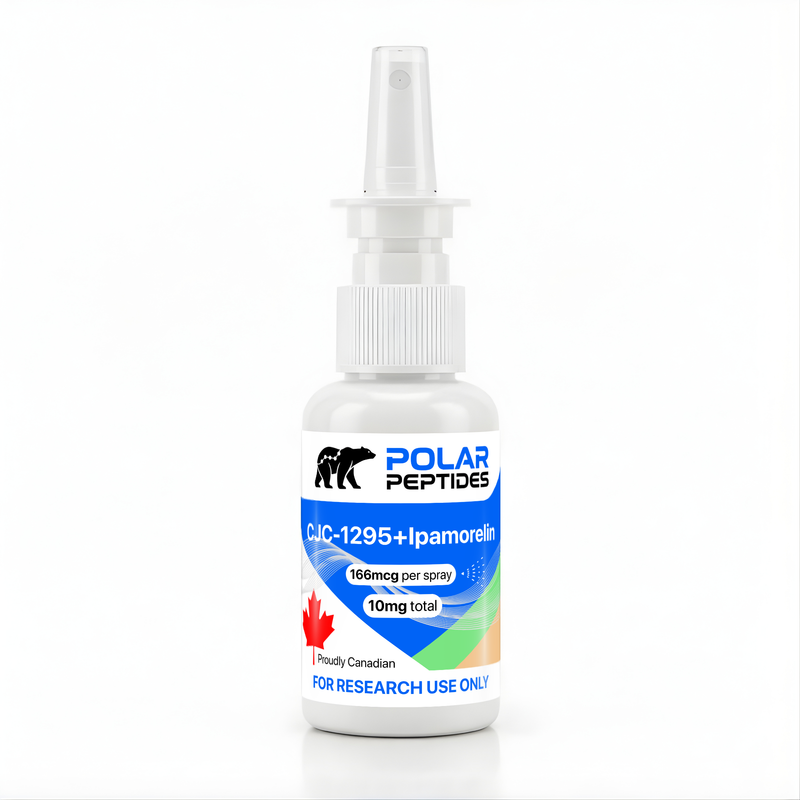
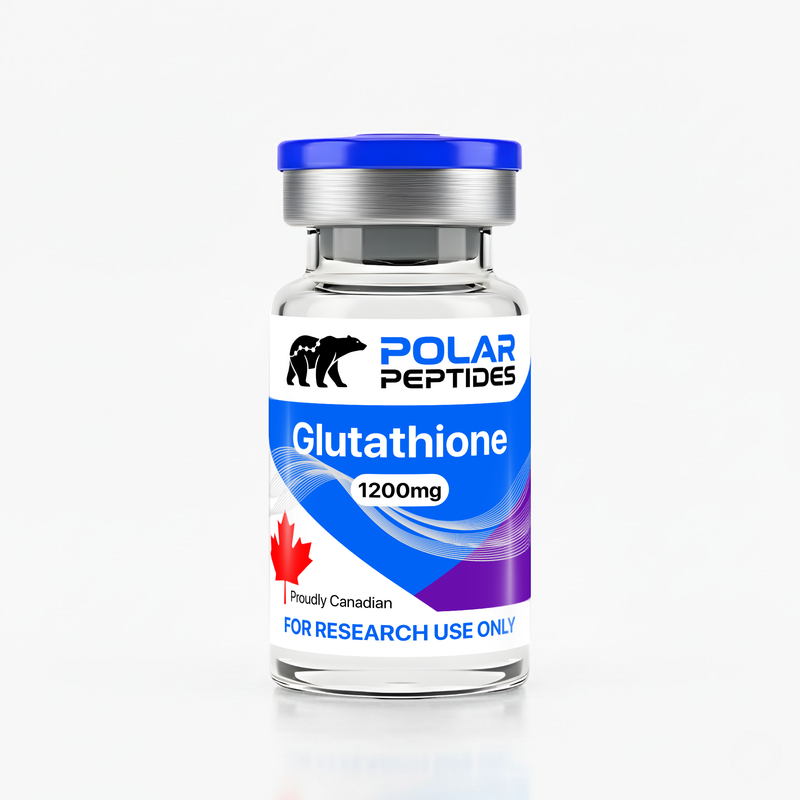
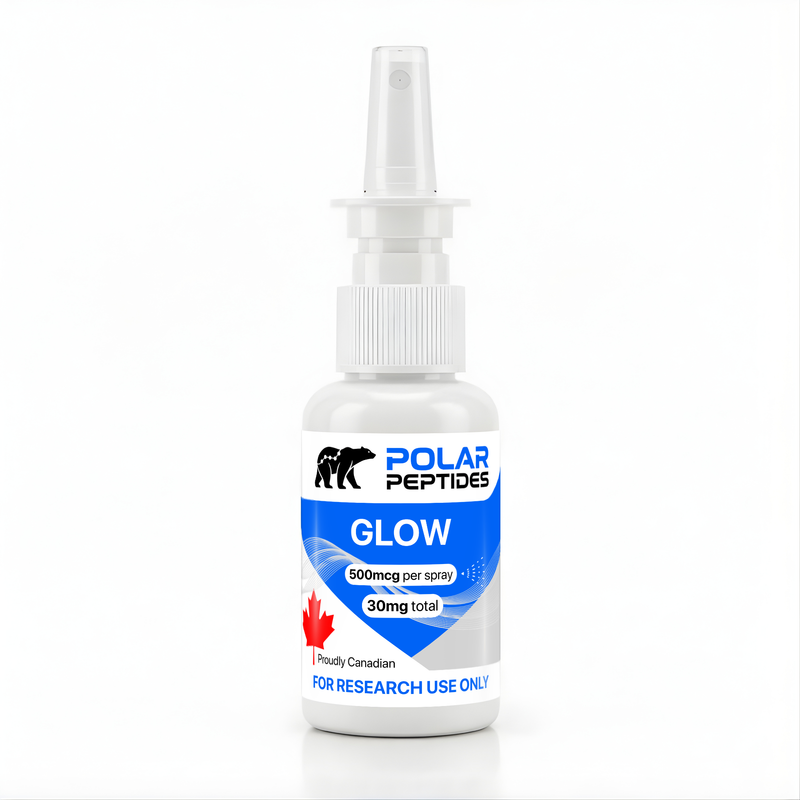
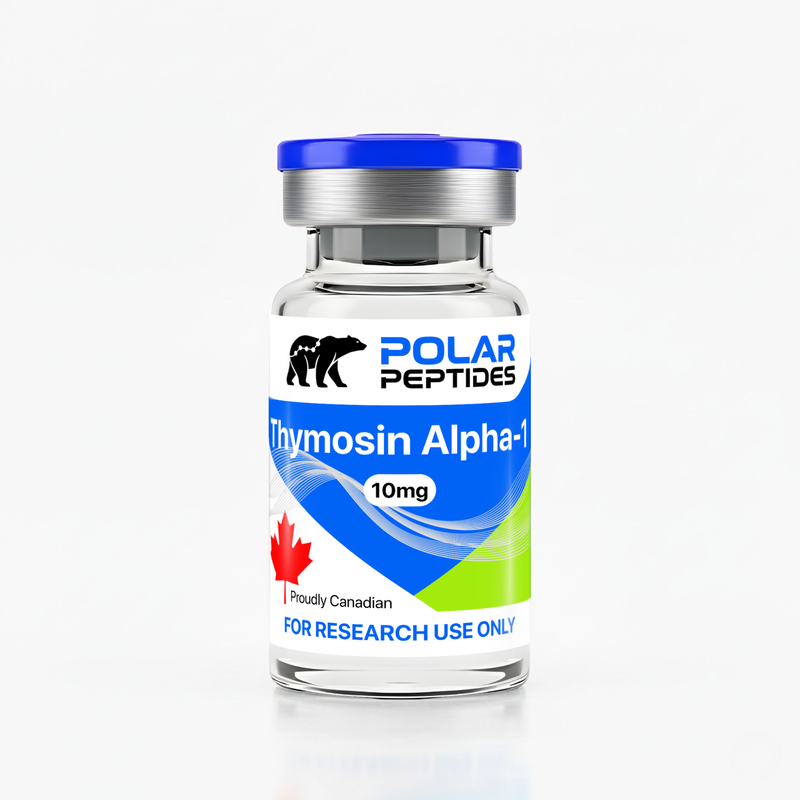
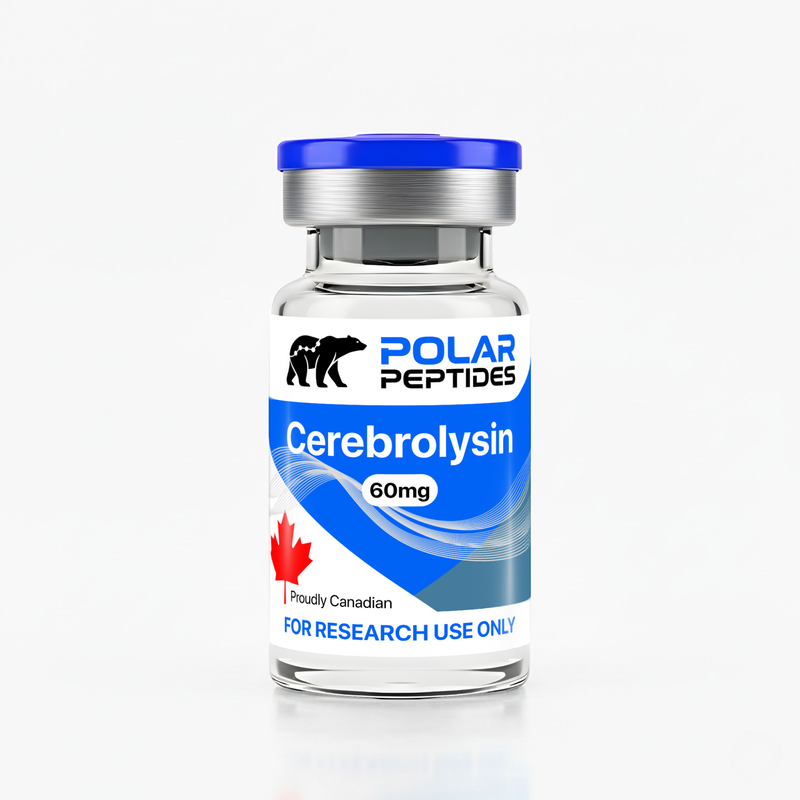
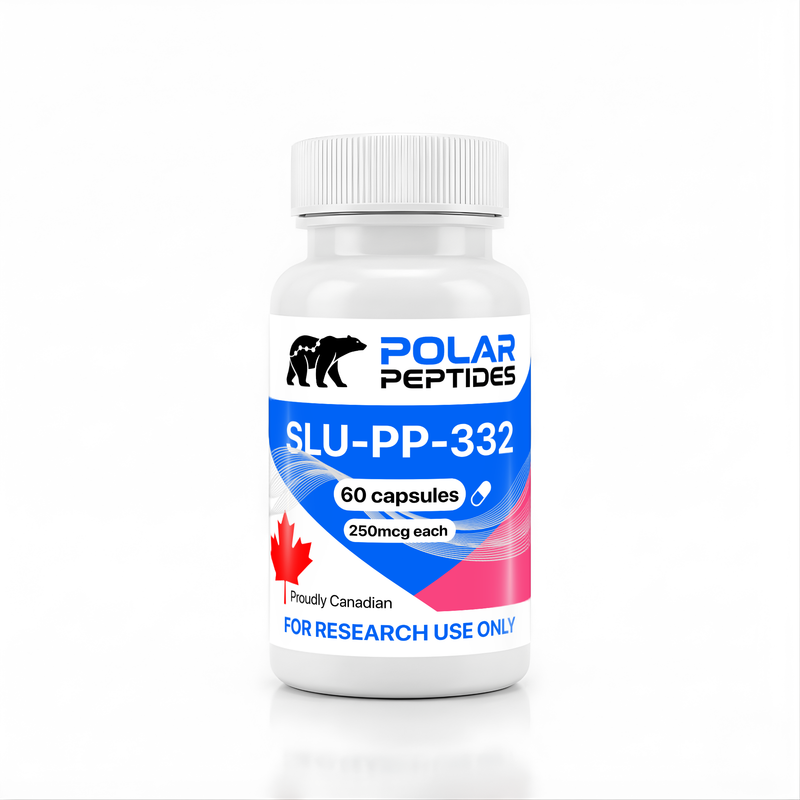
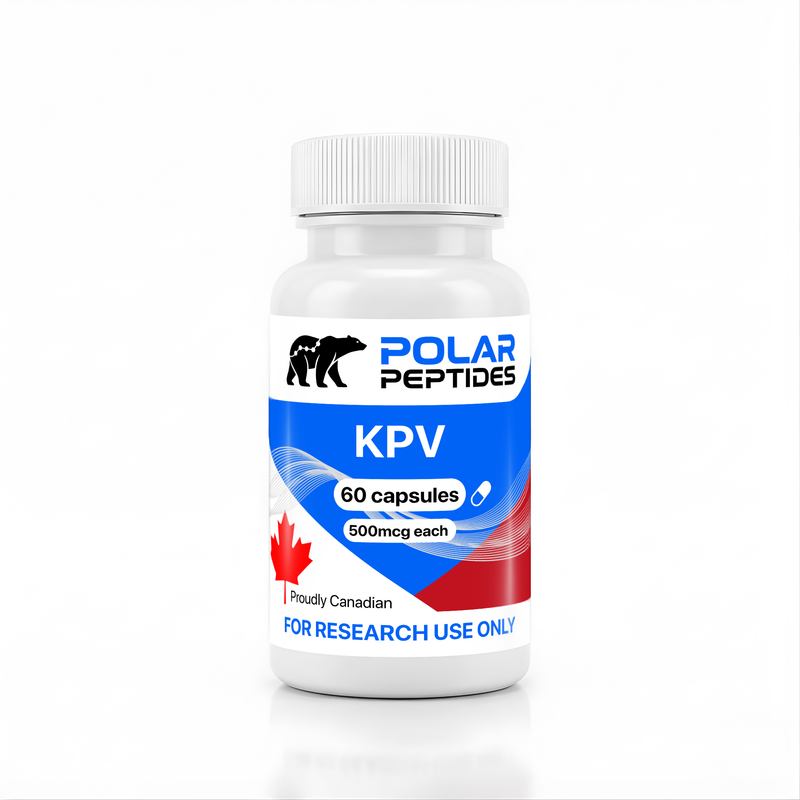
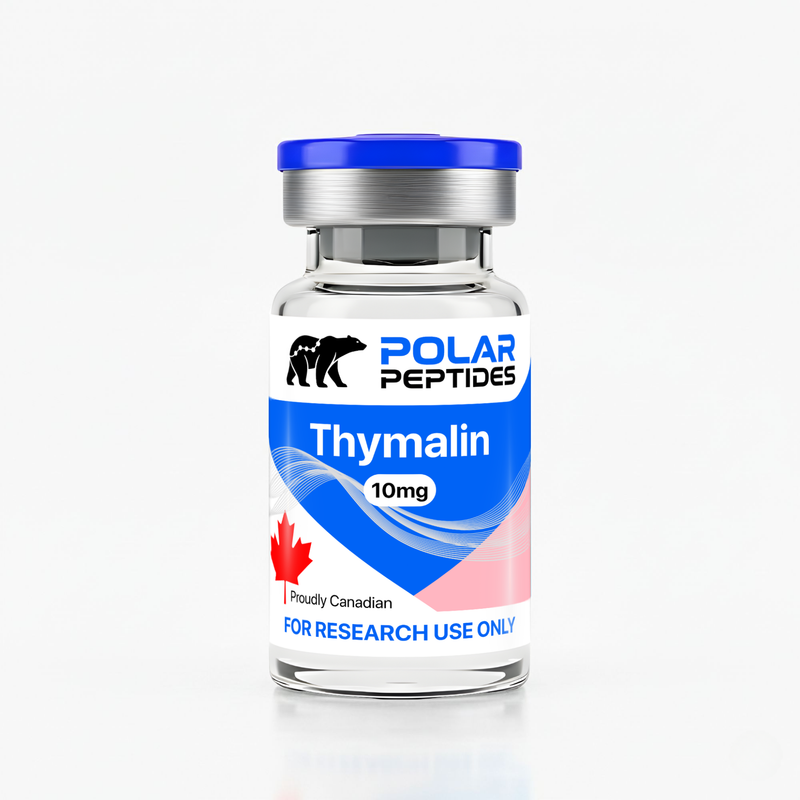
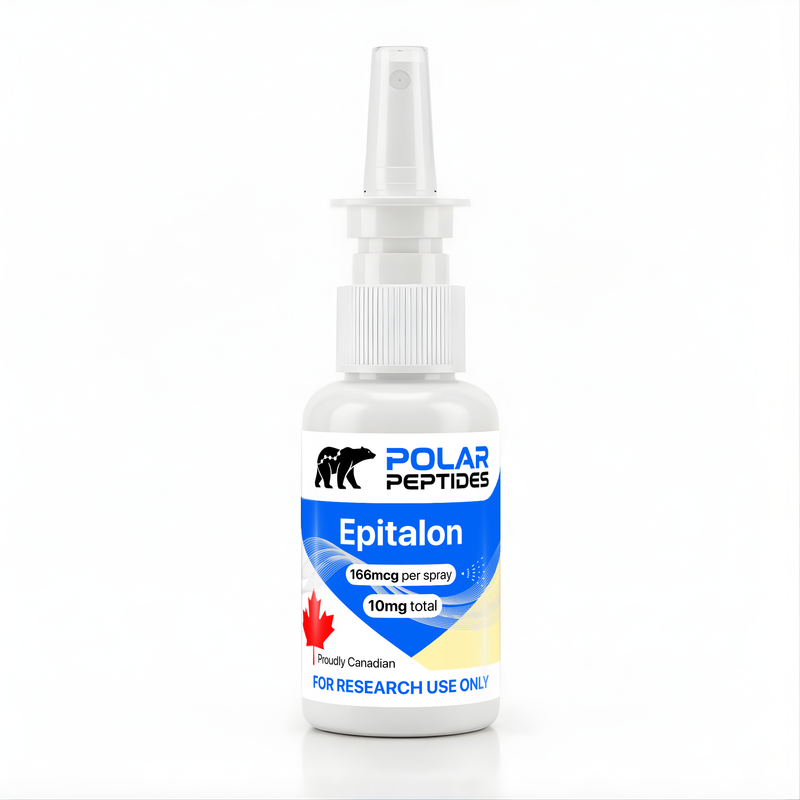
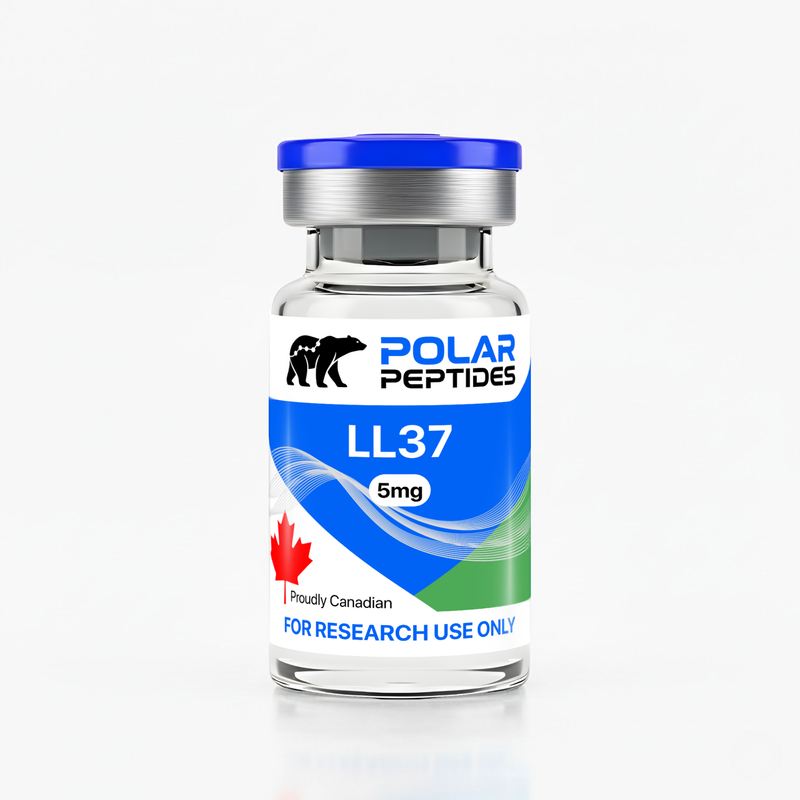
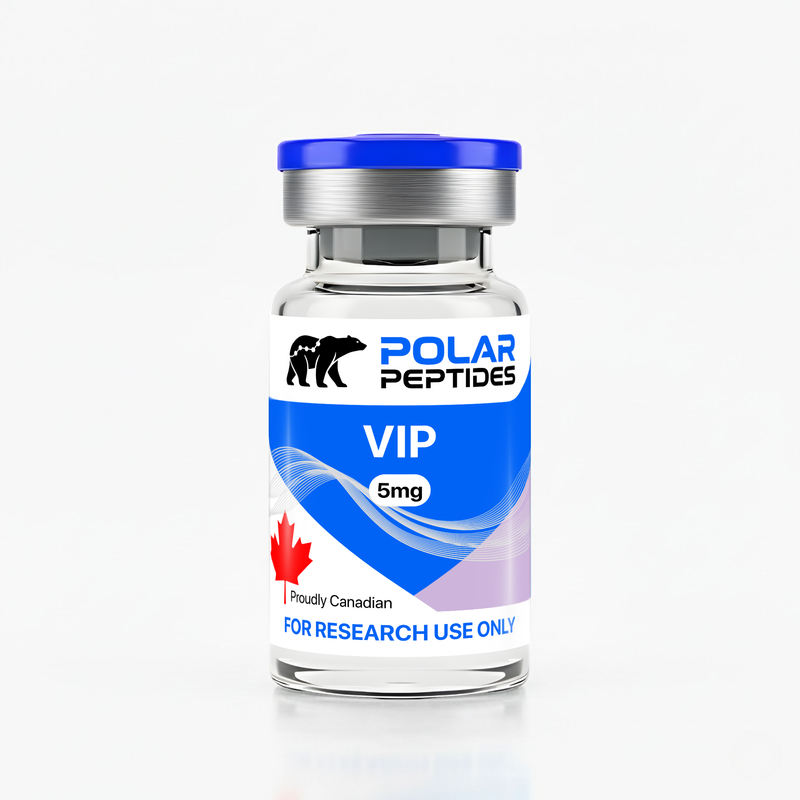
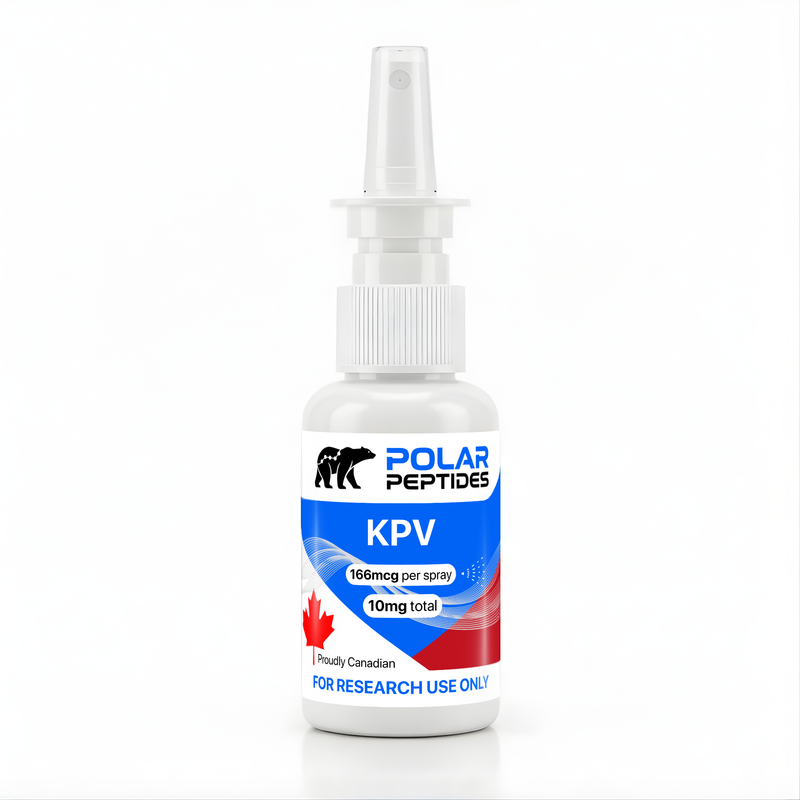
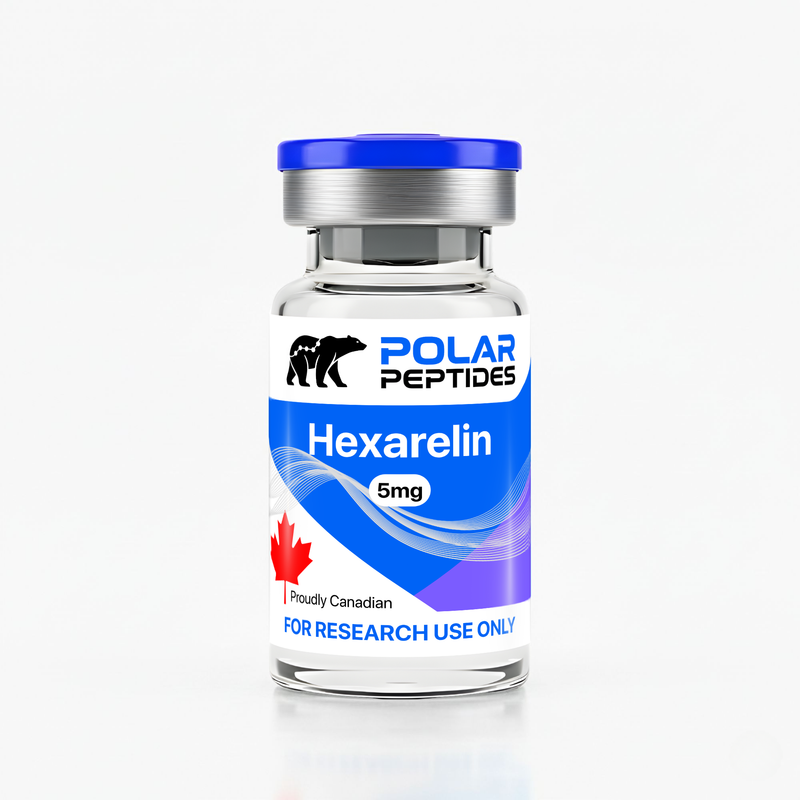
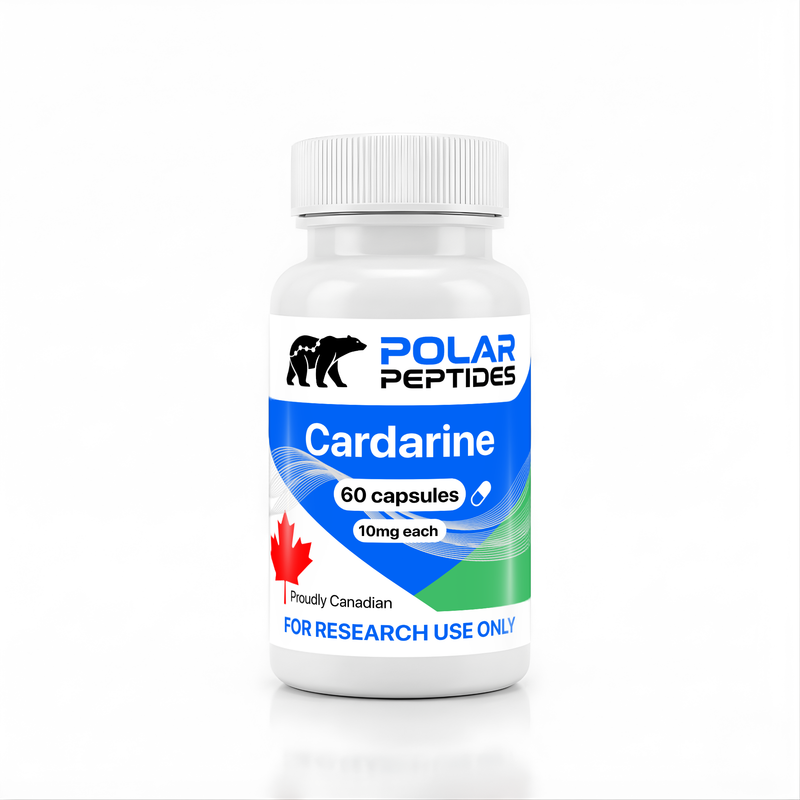
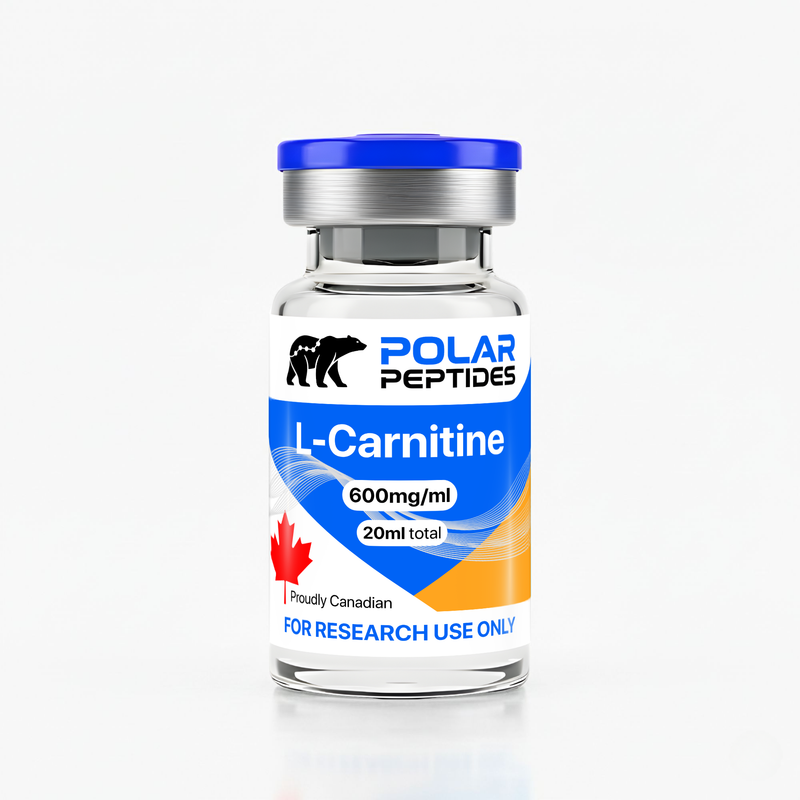
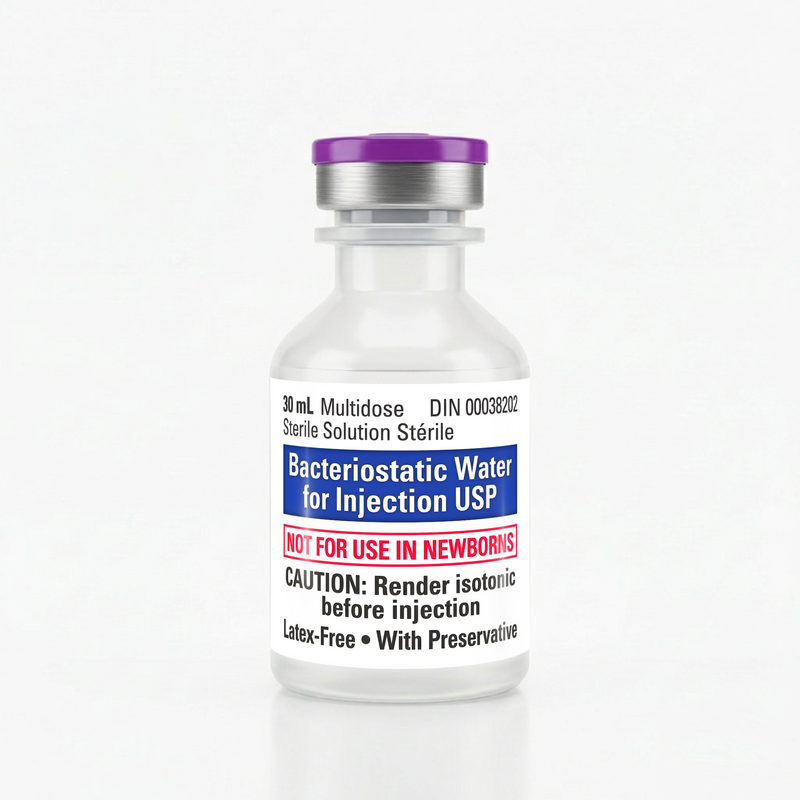
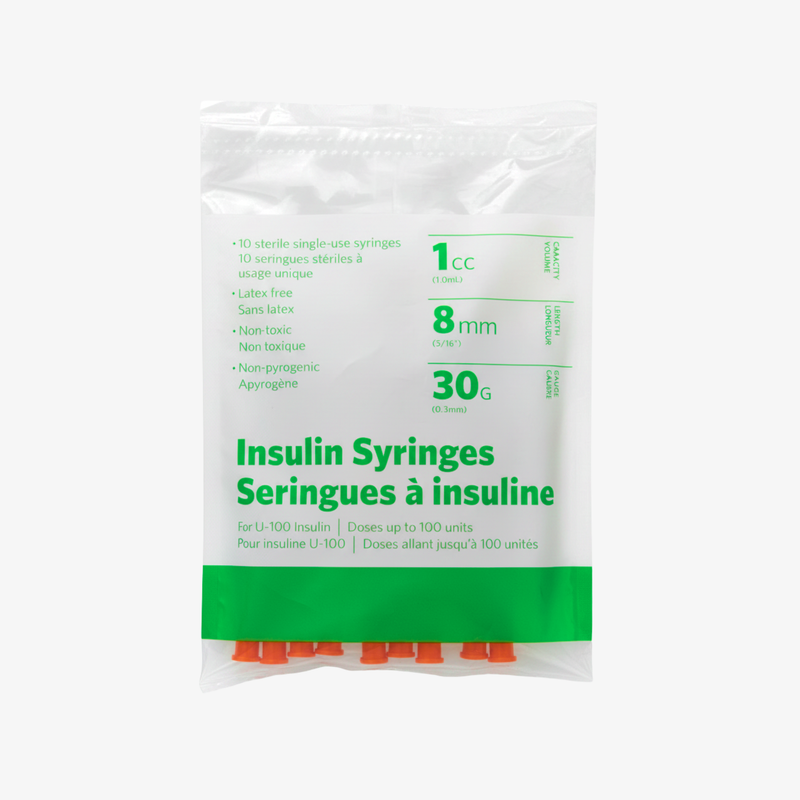
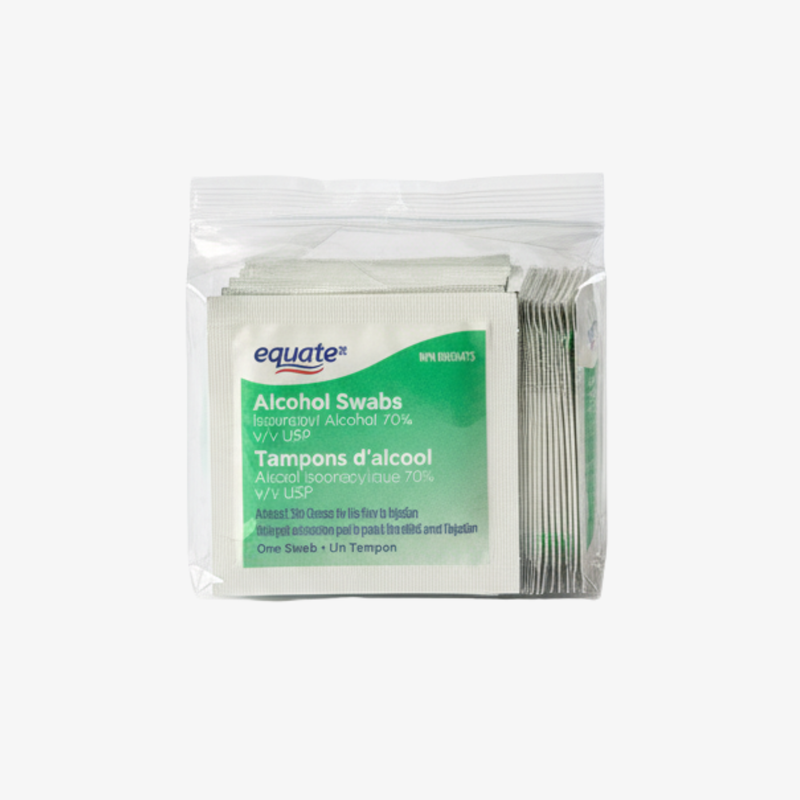
Most standard lyophilized research vials are commonly prepared using
2mL of bacteriostatic water unless otherwise specified
directly on the product page or vial label.
For best handling, slowly add the bacteriostatic water down the inside wall
of the vial rather than directly onto the powder. This helps reduce
unnecessary agitation and supports product integrity during laboratory use.
After adding bacteriostatic water, gently swirl or roll the vial until the
lyophilized powder has fully dissolved. Avoid aggressive shaking, as
excessive agitation may affect product stability.
Prepared vials should typically be stored refrigerated between
2-8°C for best stability. Lyophilized vials that have not
yet been prepared should be stored in a cool, dry environment away from
direct sunlight, moisture, and excessive heat.
Proper storage and handling procedures are important for maintaining
product purity, consistency, and reliability throughout laboratory
applications.
Use our calculator for accurate concentration calculations, measurement
planning, and preparation guidance:
Peptide Calculator
Polar Peptides provides premium-quality research products, laboratory-use
compounds, and analytical materials with fast Canadian shipping and strict
quality control standards.
All products sold by Polar Peptides are intended strictly for
research use only and are not intended for human
consumption, medical use, diagnostic use, or any other unauthorized use.
Lyophilized research products should be stored in a cool, dry environment
prior to preparation to help maintain long-term stability and purity.
Refrigeration is recommended for most products after opening. Prepared vials
should remain refrigerated between 2-8°C and protected
from repeated temperature changes.
Exposure to excessive moisture, heat, direct sunlight, or frequent
freeze-thaw cycles may negatively impact product stability during
laboratory applications.
Polar Peptides supplies high-purity research products, peptide blends,
laboratory-use materials, and advanced analytical compounds manufactured
with quality, consistency, and secure packaging in mind.
Proper storage and handling procedures are recommended to maintain product
integrity, consistency, and analytical reliability throughout laboratory
research environments.