
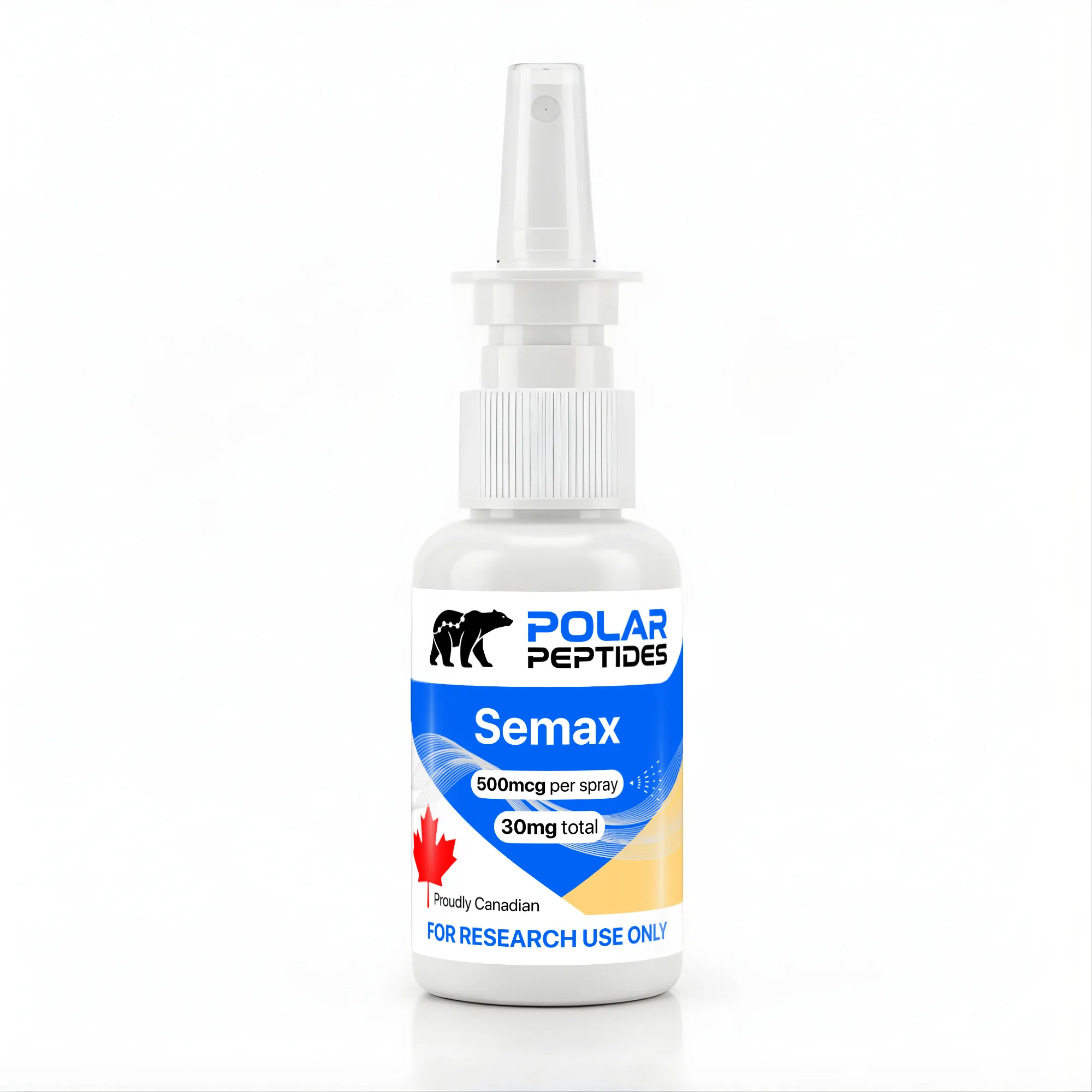

Semax Nasal Spray


Polar Peptides is Canada's only domestic manufacturer and supplier of premium research peptides, with production and fulfillment handled in Canada. While many sellers rely on imported vials from overseas suppliers, our domestic process allows us to maintain closer oversight over quality, consistency, packaging, and labeled vial weight.
By keeping peptide production closer to home, we can better control product standards, reduce reliance on uncertain imported inventory, and provide Canadian researchers with a more transparent and reliable source for research peptides.
Do not be fooled by vague "Made in Canada" claims. Many companies may ship from Canada while still sourcing finished vials from overseas. Polar Peptides is focused on true domestic manufacturing, premium research quality, fast Canadian shipping, and dependable customer support.
Semax Nasal Spray is a powerful cognitive-enhancement peptide designed to support focus, memory, and mental endurance. It works by influencing neurotrophic factors such as BDNF, while also supporting dopamine regulation and overall brain resilience. Frequently used for productivity and mental sharpness, Semax in nasal spray form provides a fast-acting and convenient option for those looking to enhance motivation, cognitive output, and sustained clarity—especially during demanding work or training periods.
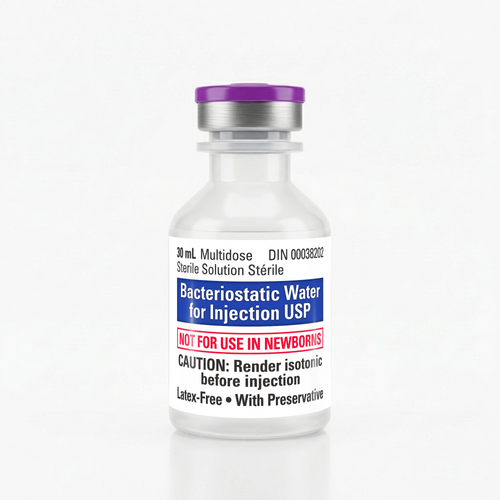
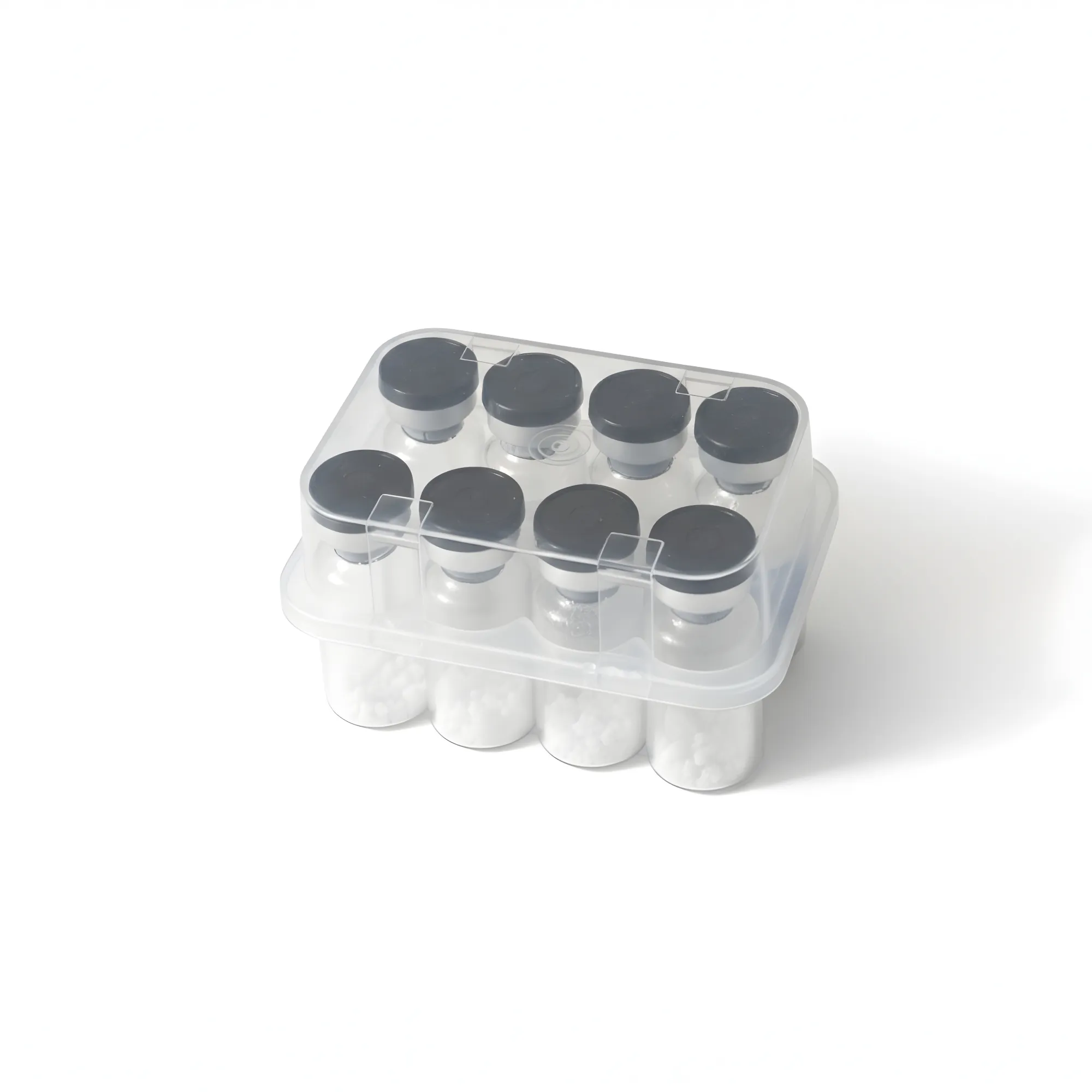
Most standard lyophilized research vials are commonly prepared using 2mL of bacteriostatic water unless otherwise specified directly on the product page or vial label.
For best handling, slowly add the bacteriostatic water down the inside wall of the vial rather than directly onto the powder. This helps reduce unnecessary agitation and supports product integrity during laboratory use.
After adding bacteriostatic water, gently swirl or roll the vial until the lyophilized powder has fully dissolved. Avoid aggressive shaking, as excessive agitation may affect product stability.
Prepared vials should typically be stored refrigerated between 2-8°C for best stability. Lyophilized vials that have not yet been prepared should be stored in a cool, dry environment away from direct sunlight, moisture, and excessive heat.
Proper storage and handling procedures are important for maintaining product purity, consistency, and reliability throughout laboratory applications.
Use our calculator for accurate concentration calculations, measurement planning, and preparation guidance:
Polar Peptides provides premium-quality research products, laboratory-use compounds, and analytical materials with fast Canadian shipping and strict quality control standards.
All products sold by Polar Peptides are intended strictly for research use only and are not intended for human consumption, medical use, diagnostic use, or any other unauthorized use.
Lyophilized research products should be stored in a cool, dry environment prior to preparation to help maintain long-term stability and purity.
Refrigeration is recommended for most products after opening. Prepared vials should remain refrigerated between 2-8°C and protected from repeated temperature changes.
Exposure to excessive moisture, heat, direct sunlight, or frequent freeze-thaw cycles may negatively impact product stability during laboratory applications.
Polar Peptides supplies high-purity research products, peptide blends, laboratory-use materials, and advanced analytical compounds manufactured with quality, consistency, and secure packaging in mind.
Proper storage and handling procedures are recommended to maintain product integrity, consistency, and analytical reliability throughout laboratory research environments.
Customer reviews


You may also like
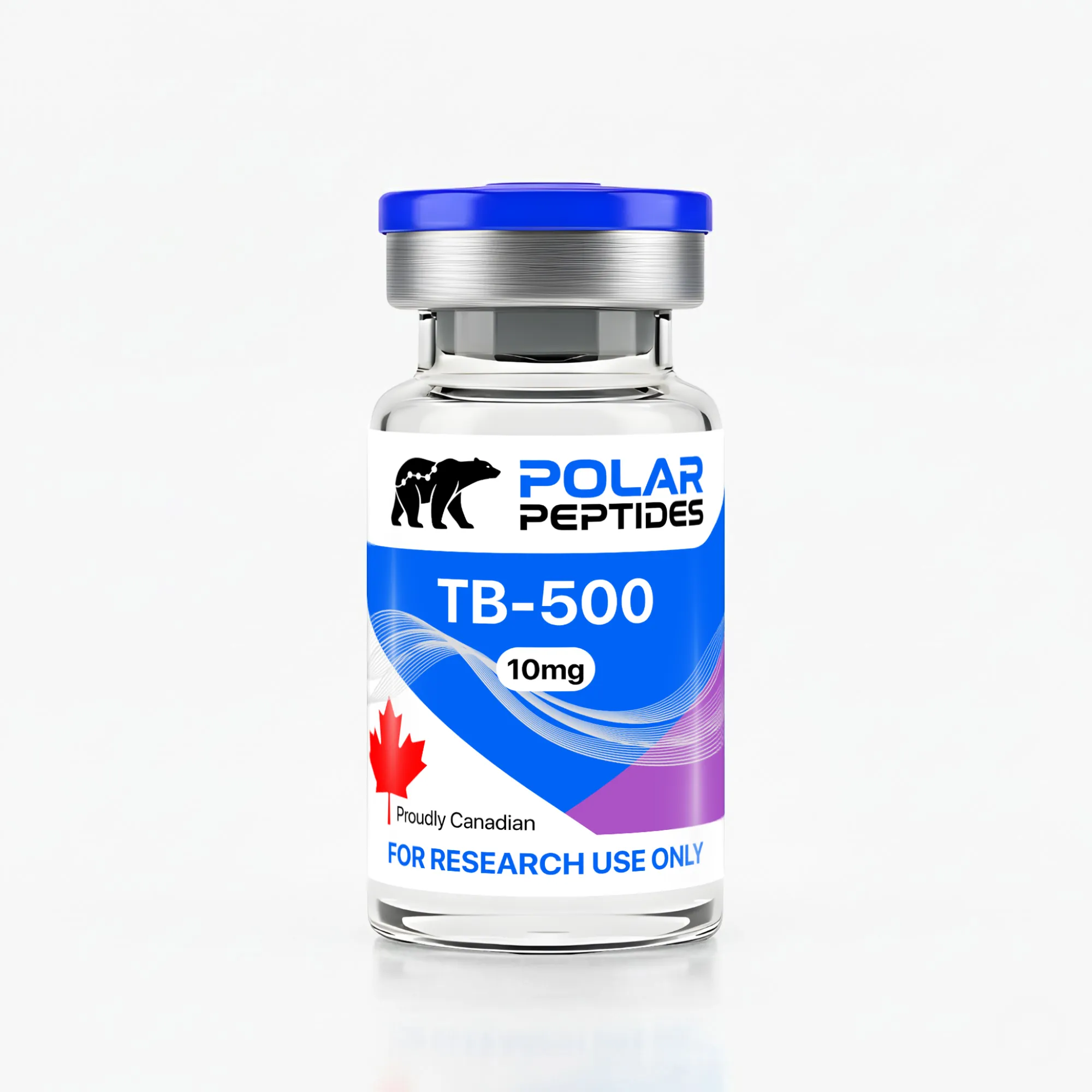
TB-500
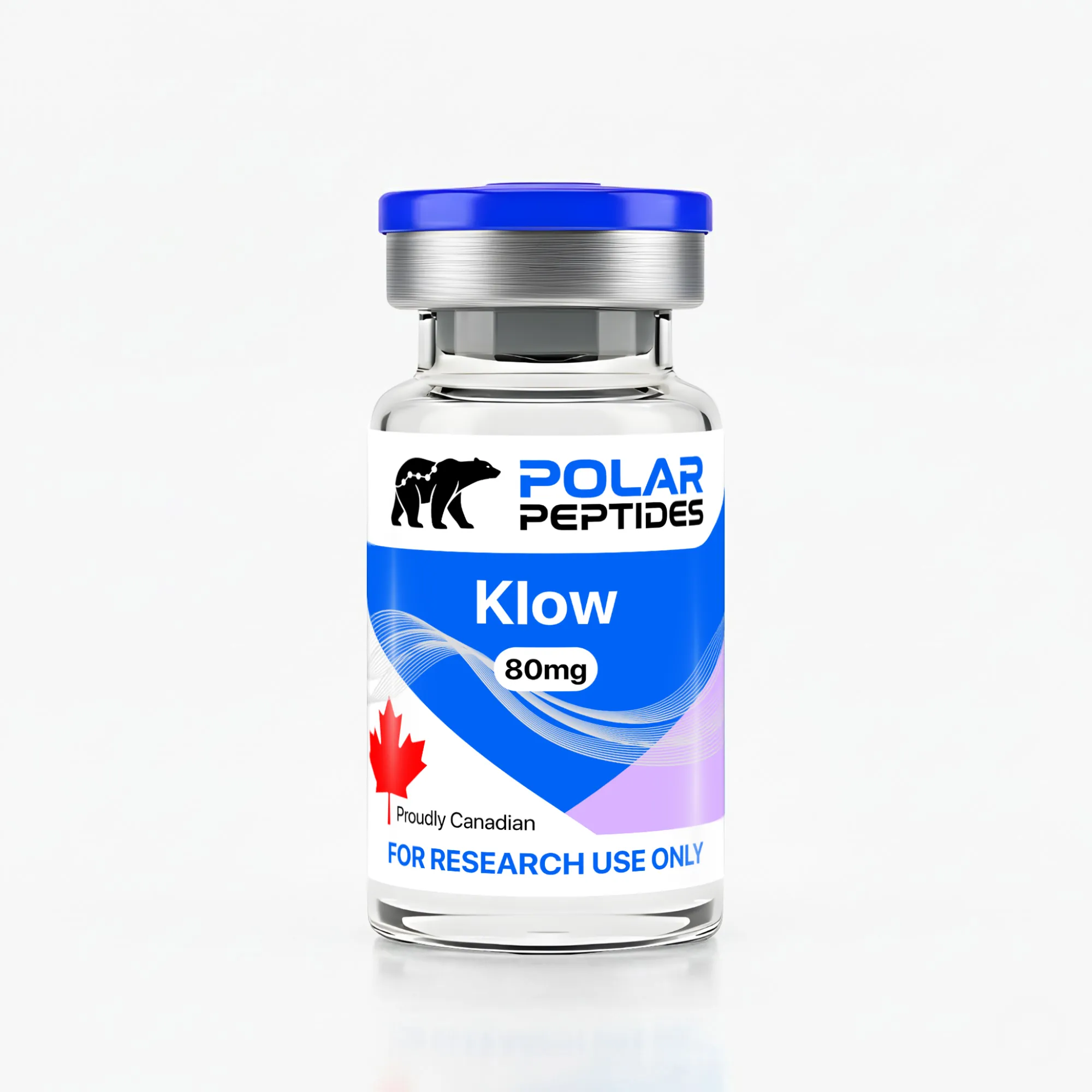
Klow
Tirzepatide
GHK-Cu Face Cream (w/ Hyaluronic Acid & Snap-8)
SLU-PP-332
SLU-PP-332 Capsules
SS-31
Semaglutide
Semax
Semax Nasal Spray
Sermorelin
Tesamorelin
Thymalin
Thymosin Alpha-1
VIP
Wholesale Peptides
- Choosing a selection results in a full page refresh.
- Opens in a new window.
Cart • 0 items
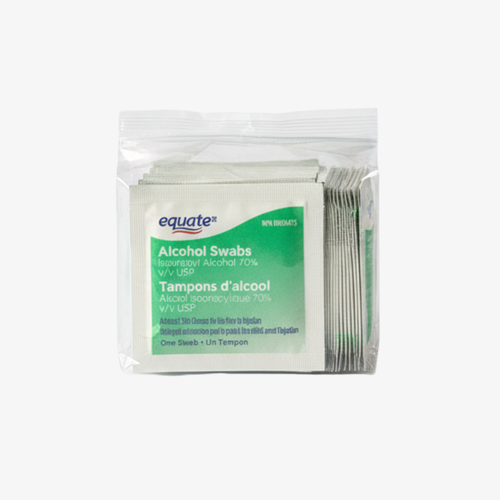
Alcohol Wipes
Price range: $2.99 through $8.99
BAC Water
$19.99