
You’ve likely come across the KLOW vs GLOW peptide stacks and wondered what the hype was all about. There’s actually more overlap than most people would assume. Each consists of a peptide blend,
with one key difference between the GLOW vs KLOW peptide protocols:
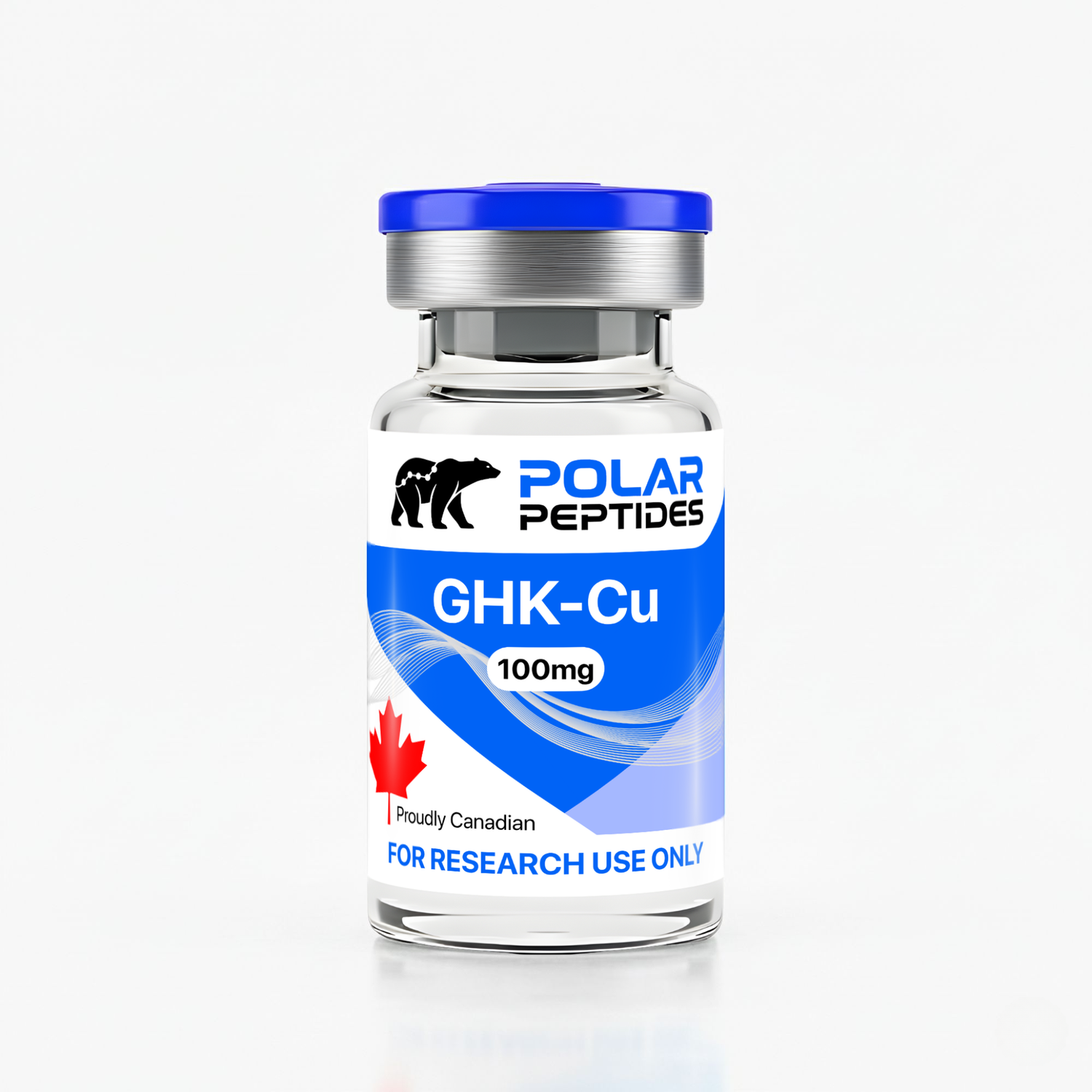
- GLOW: GHK-Cu, BPC-157, TB-500
- KLOW: GHK-Cu, BPC-157, TB-500, KPV
Bringing KPV into the mix changes the specific use cases each protocol is best suited for, according to research. You can learn more about the nuances below. As the #1 place to buy KLOW peptide in Canada or buy GLOW peptide in Canada, we’ll break it all down for you.
KLOW vs GLOW Peptide (Fast Facts)
| GLOW | KLOW | |
| Peptides included | GHK-Cu, BPC-157, TB-500 | GHK-Cu, BPC-157, TB-500, KPV |
| Total peptide content | 70mg | 80mg |
| GHK-Cu | 50mg | 50mg |
| BPC-157 | 10mg | 10mg |
| TB-500 | 10mg | 10mg |
| KPV | Not included | 10mg |
| Primary research focus | Skin remodeling + tissue repair | Skin + tissue repair + inflammation |
| Format | Lyophilized powder | Lyophilized powder |
What’s the Difference Between KLOW and GLOW?
These are two very popular peptide protocols in 2026 as more and more people turn to these messenger molecules as a means of supporting better healing or skin/hair appearance.
But what’s the difference between KLOW and GLOW? It can all be traced back to one peptide and a few nuances in dosing across the other peptides in each stack.
Peptides in the GLOW Stack
This three-peptide blend features a high dose of GHK-Cu peptide rounded out by BPC-157 and TB-500. Here’s a quick overview of the dosage each is typically administered in:
- GHK-Cu: 50mg
- BPC-157: 10mg
- TB-500: 10mg
GHK-Cu does the heavy lifting in the blend, as this copper peptide naturally exists in human plasma, saliva, and urine. However, it declines with age. Levels can go from around 200 ng/mL at age
20 to just 80 ng/mL by age 60.2 Researchers believe this correlates with why the signs of aging start showing up in the skin and hair.
GHK-Cu can activate as many as 1,584 genes while suppressing 493 genes. A lot of those interactions have implications for collagen synthesis, antioxidant defense, and extracellular matrix
remodeling.3
While roughly 71% of the GLOW protocol is allocated to GHK-Cu, the TB-500 and BPC-157 peptides have their place as well. They support healing through distinct pathways. For instance, BPC-157
promotes vasodilation via the Src-Caveolin-1-eNOS nitric oxide pathway.4 TB-500 appears to speed up wound healing by encouraging endothelial cell migration.5
The combination of recovery and skin firmness support from the GLOW stack has made it one of the hottest topics in modern skincare right now. But how does the other half of the GLOW vs KLOW
peptide stack compare?
Peptides in the KLOW Stack
The KLOW stack has a lot of similarities with the GLOW stack. Same three-peptide core with one key caveat: the inclusion of KPV peptide. The
dosages for the main three change a bit as well:
- GHK-Cu: 50mg
- BPC-157: 10mg
- TB-500: 10mg
- KPV: 10mg
KPV (Lys-Pro-Val) is the C-terminal tripeptide of alpha-MSH. This tripeptide anti-inflammatory fragment comes from alpha-melanocyte-stimulating hormone (alpha-MSH).1 So, why exactly is
it included?
Studies have found it may suppress NF-kB activation, lowering inflammatory cytokine production independently of melanocortin receptors.1 KPV minimized intestinal inflammation in a
murine colitis model when delivered via the PepT1 transporter in colonic epithelial cells.6
So while the GHK-Cu content is lower, there’s more support for a healthy inflammatory response. That changes the use case for KLOW – think less cosmetic, more healing and recovery focused.
KLOW vs GLOW Peptide: Side-by-Side Comparison of Benefits, Uses, Side Effects, and More
We see researchers and even individuals ask, which is better – KLOW or GLOW peptide stack? There’s a lot of potential for both in the right context. And as you’re already starting to see, there’s
lots of overlap.
Where They Overlap
The BPC-157 and TB-500 content is identical across the GLOW and KLOW regimens. 10mg of each. There are two distinct mechanisms through which this combination supports tissue repair:
- BPC-157: By mediating nitric oxide vasodilation and upregulating growth factor.4,7
- TB-500: Through endothelial cell migration and wound repair.5
The two peptide protocols also include GHK-Cu for skin and tissue remediation at the same strength. This is where the similarities end and the differences between KLOW vs GLOW peptide regimens
really begin to emerge.
Beauty Benefits
Most people are drawn to the GLOW regimen for its potential to support favorable cosmetic outcomes, which can be traced back to its higher GHK-Cu content. GHK-Cu is capable of stimulating
collagen synthesis in human fibroblasts, while activating the genes linked to extracellular matrix production.2,3
KLOW contains the same copper peptide at the same concentration, but the formula as a whole skews a bit more towards resiliency and repair. GLOW is the protocol you’ll want to do more research on
regarding skin firmness and other cosmetic outcomes.
Resiliency and Repair
Some experts say the recovery differences between KLOW vs GLOW are marginal at best – however, the KPV content brings extra support for a healthier inflammatory response.
In either protocol, BPC-157 has well-documented healing capabilities. It helped speed up Achilles tendon recovery in rat models by improving load-to-failure strength and stimulating tendocyte
proliferation.8 At the same time, Thymosin Beta-4 was found to increase wound re-epithelialization by up to 61% in dermal injury models.5
Possible Side Effects
There’s plenty of safety data for each component in either side of the GLOW vs KLOW peptide regimens. But nothing on each specific protocol itself. The general consensus is that these peptide
stacks can be safe, yet all our peptides here at Polar Peptides are specifically formulated for research purposes only. They are not meant for human consumption.
Cycle Durations
Neither GLOW nor KLOW is meant to be used long-term. They’re short-term solutions to support your body’s natural processes.
For example, BPC-157 studies typically run 1 to 4 weeks depending on the injury type.7,8 Thymosin Beta-4 research protocols have ranged from weeks to months.5 The one
exception in these stacks is GHK-Cu, which can be used indefinitely when applied topically.2
Just as there are no head-to-head comparisons of KLOW vs GLOW peptide protocols as far as side effects are concerned, there is no direct data on how each should be cycled. After all, these
peptides are intended purely for research purposes.
Find the Perfect Peptide Sourcing For All Your Research Needs
Polar Peptides manufactures both KLOW and GLOW domestically in Canada so you can conduct your own research and learn more about the potential each brings to healing and skin appearance.
Every batch we make is 99% pure, tested independently via HPLC and mass spectrometry verification. You get 104% of the labeled peptide amount in each vial. We ship peptides as lyophilized powder
so you never have to worry about stability during travel.
Order yours today and see what makes Polar Peptides the #1 choice in Canada.
Bottom Line on the KLOW vs GLOW Peptide Stack
The GLOW vs KLOW peptide decision really comes down to this – do you want KPV? Either way, your search for research-grade peptides ends here at Polar Peptides.
Frequently asked questions
What’s the biggest difference between KLOW and GLOW?
KLOW has KPV for inflammatory support. Everything else is the same across the protocols.
Does adding KPV really change the stack?
Yes, enough so that KLOW is one of the best-selling peptide stacks here at Polar Peptides. It unlocks a signaling pathway you’d otherwise miss out on with the GLOW regimen.
Which is better, KLOW or GLOW?
Depends on what the endpoint is. Researchers must first define what “better” actually means. GLOW makes more sense for studies related to skin remodeling; KLOW will offer better insights into
healing and inflammatory support. Maybe you study both to find out firsthand which has more potential for a specific use case.
How are KLOW and GLOW meant to be studied (localized vs systemic)?
There’s evidence for both routes regarding the individual peptides in each stack. BPC-157 has been administered intraperitoneally and intragastrically in animal models.7 Thymosin
Beta-4 has been studied intraperitoneally in animals5 and intravenously in a Phase 1 human trial.9 GHK-Cu can be applied topically or systemically.2
How do you store KLOW and GLOW peptides?
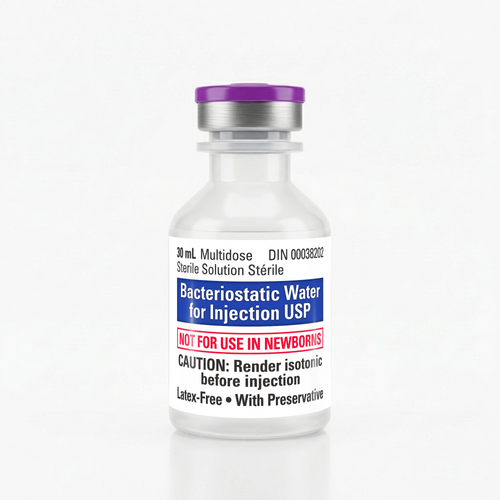
Depends on whether they’ve been reconstituted or not. If so, refrigerate at 2-8 degrees Celsius. Unreconstituted peptides can be kept in a cool, dry place away from sunlight, moisture, and
heat.
What makes Polar Peptides the #1 choice for KLOW and GLOW?
We bring you domestic Canadian manufacturing and 99% purity verified by third-party testing. 104% fill per vial maximizes your value for the money. You also get free shipping on orders over $300
with world-class customer service every step of the way.
Sources
- Getting SJ, et al. “The Tripeptide KPV Attenuates the Inflammatory Response.” Journal of Pharmacology and Experimental Therapeutics. 2003;306(2):631-637. https://pubmed.ncbi.nlm.nih.gov/12730350/
- Pickart L, Vasquez-Soltero JM, Margolina A. “GHK Peptide as a Natural Modulator of Multiple Cellular Pathways in Skin Regeneration.” BioMed Research International. 2015;2015:648108. https://pubmed.ncbi.nlm.nih.gov/26236730/
- Pickart L, Margolina A. “Regenerative and Protective Actions of the GHK-Cu Peptide in the Light of the New Gene Data.” International Journal of Molecular Sciences. 2018;19(7):1987. https://pubmed.ncbi.nlm.nih.gov/29986520/
- Hsieh MJ, et al. “Modulatory effects of BPC 157 on vasomotor tone and the activation of Src-Caveolin-1-endothelial nitric oxide synthase pathway.” Scientific Reports. 2020;10:17078. https://pubmed.ncbi.nlm.nih.gov/33051481/
- Malinda KM, et al. “Thymosin beta4 accelerates wound healing.” Journal of Investigative Dermatology. 1999;113(3):364-368. https://pubmed.ncbi.nlm.nih.gov/10469335/
- Dalmasso G, et al. “PepT1-Mediated Tripeptide KPV Uptake Reduces Intestinal Inflammation.” Gastroenterology. 2008;134(1):166-178. https://pubmed.ncbi.nlm.nih.gov/18061177/
- Seiwerth S, et al. “Stable Gastric Pentadecapeptide BPC 157 and Wound Healing.” Frontiers in Pharmacology. 2021;12:627533. https://pubmed.ncbi.nlm.nih.gov/34276380/
- Staresinic M, et al. “Gastric pentadecapeptide BPC 157 accelerates healing of transected rat Achilles tendon.” Journal of Orthopaedic Research. 2003;21(6):976-983. https://pubmed.ncbi.nlm.nih.gov/14554208/
- Wang X, et al. “A first-in-human, randomized, double-blind, single- and multiple-dose, phase I study of recombinant human thymosin beta4 in healthy Chinese volunteers.” Journal of Cellular and Molecular Medicine. 2021;25(17):8222-8228. https://pubmed.ncbi.nlm.nih.gov/34227258/