
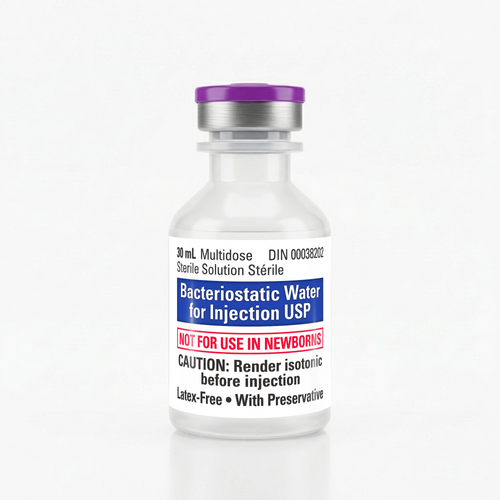
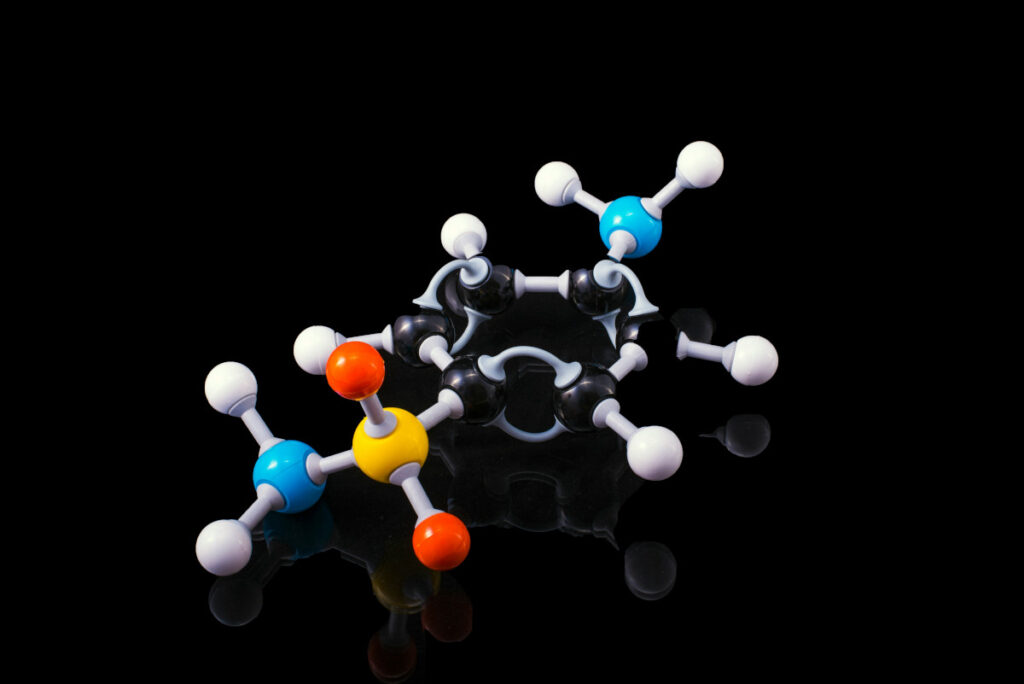
The BPC-157 and TB-500 benefits can be summed up as resilience and repair. These two peptides work in synergy (through distinct mechanisms) to boost the body’s healing capacity. That’s why they’re starting to be studied as a combination for everything from tissue repair to athletic recovery and even supporting a healthier inflammatory response.
We’ve compiled all the current evidence on this stack and are eager to show you what’s possible, what we still don’t know, and where you can buy a combined BPC-157 and TB-500 blend at 99%+ purity.
Key Takeaways
- BPC-157 is a 15-amino-acid gastric peptide that speeds tendon, ligament, and muscle healing in preclinical models.1
- TB-500 is a naturally occurring peptide that encourages cell migration, wound repair, and cardiac protection.2
- There are no studies on BPC-157 and TB-500 together, but studies on the peptides in isolation (and tons of anecdotal evidence) support the pairing.
- There’s no reason to believe either peptide is unsafe according to the current evidence.3,4
- Polar Peptides is the #1 manufacturer in Canada for both peptides on their own or a stack.
What are the BPC-157 and TB-500 Benefits?
Peptides are short chains of amino acids that send signals throughout the body. They bind to different receptors to target a specific biological response. We’ve seen a massive surge in peptides being used for beauty, physical performance, and recovery. Interestingly enough, the BPC-157 and TB-500 benefits could touch on all three of those use cases.
What Does BPC-157 Do?
BPC-157 is short for Body Protection Compound 157, which tells you a lot about what it was made to do. This synthetic pentadecapeptide actually comes from a protective protein in human gastric juice and was initially developed by Predrag Sikiric’s group at the University of Zagreb in the early 1990s, where most of the production still comes from today.
BPC-157 showed potential in speeding up Achilles tendon recovery in rats. It helped improve load-to-failure strength, encouraged collagen formation, and directly increased tendocyte proliferation.1
The peptide activates the Src-Caveolin-1-eNOS pathway to produce endothelium-dependent vasodilation through nitric oxide.6 Another study showed BPC-157 could improve tendon cell migration and survival in the face of oxidative stress through the FAK-paxillin signaling pathway.7
One key caveat: the vast majority of research on this peptide (over 80%) comes from Sikiric’s group own research studies.5 That’s not to say they should be taken with a grain of salt. Rather, that more evidence is needed on BPC-157 to learn all of what it’s capable of.
What Does TB-500 Do?
TB-500 is a synthetic fragment of Thymosin Beta-4 (TB4). This 43-amino-acid peptide exists in just about every human cell, with the exception of red blood cells.
TB4 was first isolated from calf thymus by Allan Goldstein and colleagues at George Washington University.2 Most research today uses full-length TB4 rather than the TB-500 fragment that’s become more popular in peptide research, so keep that in mind as we talk about any of the BPC-157 and TB-500 benefits. That said, what can TB-500 do?
This peptide is studied for its wound healing properties. TB4 managed to increase re-epithelialization by up to 61% in rat dermal wounds, all while increasing collagen deposition and angiogenesis.2
A separate landmark study in Nature spoke to how TB4 can promote cardiac cell migration and improve overall cardiac function after coronary artery ligation in mice.8 It appears to do this by activating integrin-linked kinase (ILK) and the Akt survival pathway.8
Benefits of BPC-157 and TB-500 Together
As we said above, there is no study specifically looking at the TB-500 and BPC-157 benefits together. Most of what you’ll hear about is extrapolated from the benefits of each of these peptides in isolation.
It makes sense when you think about it, though. Their healing mechanisms don’t overlap, so there’s reason to believe they could work well in synergy. BPC-157 improves repair processes by signaling nitric oxide, growth hormone receptor upregulation, and gastric cytoprotection.5,6 Meanwhile, TB-500 supports repair by sequestering actin, encouraging endothelial cell migration.2,8
Put simply, BPC-157 may address the vascular and growth factor side of healing while TB-500 works through the cytoskeletal and cell mobility side. Many researchers purchase BPC-157 and TB-500 from Polar Peptides with the goal of testing the two together to see if these peptides just bring their own benefits, or if there could be more synergy at play when combined.
Is the BPC-157 and TB-500 Stack Safe?
Again, there’s no published research showing any BPC-157 and TB-500 benefits OR side effects. This will likely change in the near future as more and more researchers put the two peptides together in a study. In the meantime, we can look at the safety profile of each peptide in isolation.
A formal multi-species toxicology assessment of BPC-157 (mice, rats, rabbits, dogs, guinea pigs) didn’t uncover any sort of genetic toxicity or embryo-fetal toxicity. There was no lethal dose found even at 2 g/kg IV.3
As for TB4, a Phase 1 trial brought together 84 healthy volunteers and provided single ascending doses up to 25 ug/kg IV, plus 10-day repeated dosing. There were zero serious adverse events reported. Only mild to moderate reactions with no dose-limiting toxicities.4 There was a separate Phase 2 trial, where TB4 was applied topically to venous ulcers and a safety profile on par with the placebo was established.9
Dosage and Administration Guidelines
You’ll see very different guidelines on how BPC-157 and TB-500 should be dosed and administered across the clinical studies for each. There isn’t a validated human dosing protocol for either peptide, though, let alone for the combination of BPC-157 and TB-500.
That said, BPC-157 was administered both intraperitoneally and intragastrically in rats at doses ranging from 10 ng/kg to 10 ug/kg, and was found effective across a range of doses.1,5 TB4 was administered via intraperitoneal injection in animal models and intravenously or topically in human trials.2,4,9
How Do You Get BPC-157 and TB-500 in Canada?
Look no further than Polar Peptides. Neither peptide is heavily regulated or requires a prescription. You can buy BPC-157 online individually or get the combined stack from Polar Peptides. All our peptides ship at 99% purity backed by third-party HPLC verification.
Frequently asked questions
Can I take BPC-157 and TB 500 everyday?
BPC-157 was used daily without issue in preclinical studies, while the TB4 Phase 1 trial used daily IV dosing for 10 days.1,4,5 It does appear that daily dosing is the standard protocol, although we want to reiterate our peptides are for research purposes only – not human consumption.
How long does it take for BPC-157 and TB-500 to kick in?
Depends on the injury or ailment. BPC-157 produced measurable biomechanical and functional improvements within weeks of treatment for tendon healing.1 TB4 was capable of supporting wound healing as early as the 4th day of administration.2
How long are cycles of BPC-157 and TB-500 usually?
Most of the evidence on BPC-157 consisted of 1-4 week cycles depending on the specific injury being treated.1,5 On the other hand, TB4 was administered for up to 3 months in some studies.9 These types of preclinical studies don’t follow standardized “cycles,” so take them with a grain of salt.
Does the BPC-157 and TB-500 stack have FDA approval for anything?
No. Neither peptide has FDA approval for anything, nor does the stack itself. These peptides are intended for research purposes only. The FDA has actually restricted compounding pharmacies from using BPC-157 in injectable preparations. TB-500 made it further in the regulatory process with a Phase 3 ophthalmic trial for neurotrophic keratopathy, yet, approval has not been granted at this time.10
What are the potential side effects of BPC-157 and TB-500?
There is strong safety data on each of these peptides in isolation, with no real adverse effects or toxicity examined across clinical trials.3,4,9 There is no long-term safety data on either peptide, though.
Can BPC-157 and TB-500 be used with other peptides, too?
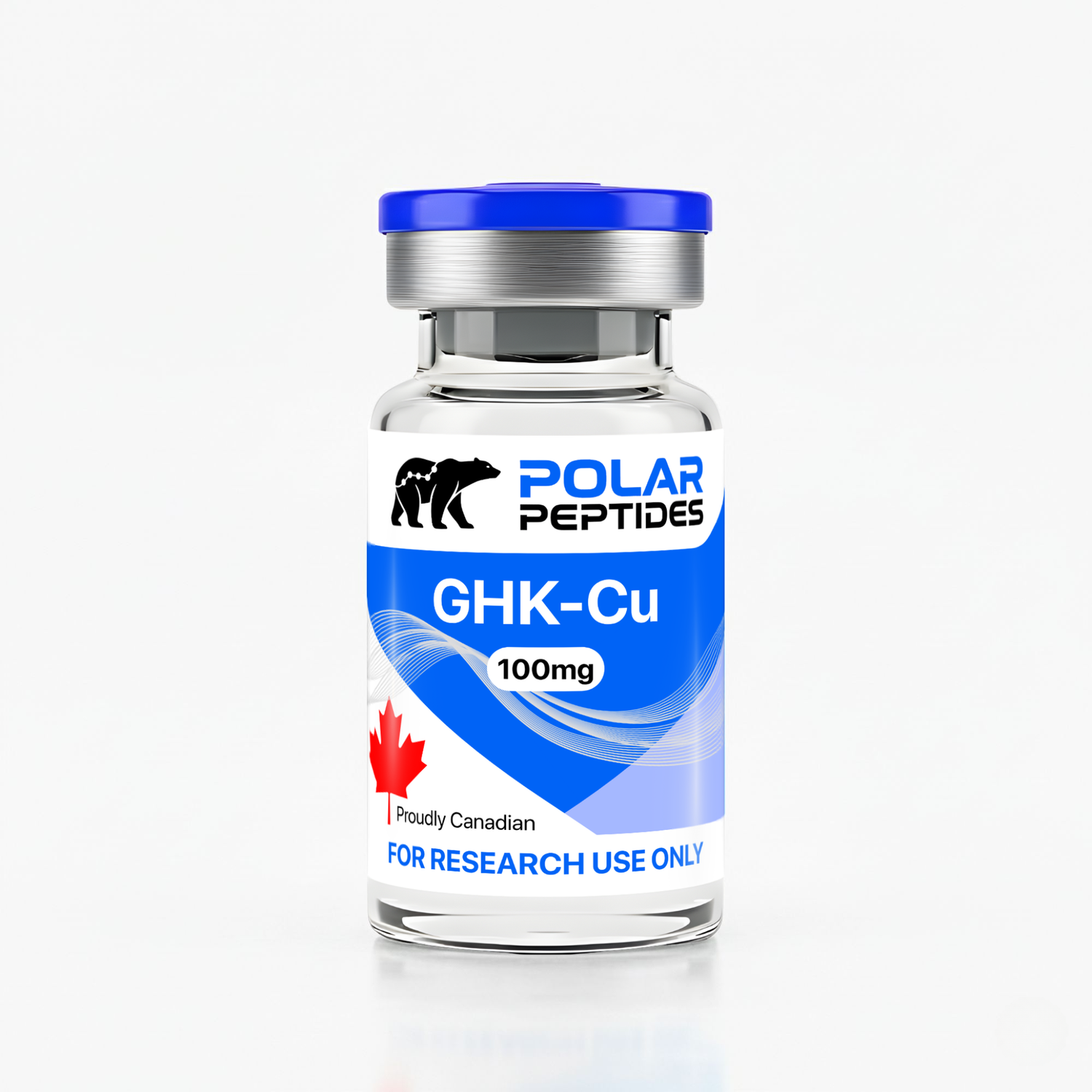
Just as the BPC-157 and TB-500 benefits are extrapolated from insights into each in isolation, there are no published studies looking at these peptides alongside any others. However, one interesting combination right now is BPC-157 and TB-500 with GHK-Cu peptide. This trifecta forms what is known as the GLOW protocol, a blend we also carry at Polar Peptides.
Do I need bloodwork done before buying BPC-157 and TB-500?
No, as these peptides are not meant for human consumption. You can simply purchase BPC-157 and TB-500 (along with an array of other popular research-grade peptides) right here at Polar Peptides without bloodwork or a prescription.
Sources
- Staresinic M, et al. “Gastric pentadecapeptide BPC 157 accelerates healing of transected rat Achilles tendon and in vitro stimulates tendocytes growth.” Journal of Orthopaedic Research. 2003;21(6):976-983. https://pubmed.ncbi.nlm.nih.gov/14554208/
- Malinda KM, et al. “Thymosin beta4 accelerates wound healing.” Journal of Investigative Dermatology. 1999;113(3):364-368. https://pubmed.ncbi.nlm.nih.gov/10469335/
- Xu C, et al. “Preclinical safety evaluation of body protective compound-157, a potential drug for treating various wounds.” Regulatory Toxicology and Pharmacology. 2020;114:104665. https://pubmed.ncbi.nlm.nih.gov/32334036/
- Wang X, et al. “A first-in-human, randomized, double-blind, single- and multiple-dose, phase I study of recombinant human thymosin beta4 in healthy Chinese volunteers.” Journal of Cellular and Molecular Medicine. 2021;25(17):8222-8228. https://pubmed.ncbi.nlm.nih.gov/34227258/
- Seiwerth S, et al. “Stable Gastric Pentadecapeptide BPC 157 and Wound Healing.” Frontiers in Pharmacology. 2021;12:627533. https://pubmed.ncbi.nlm.nih.gov/34276380/
- Hsieh MJ, et al. “Modulatory effects of BPC 157 on vasomotor tone and the activation of Src-Caveolin-1-endothelial nitric oxide synthase pathway.” Scientific Reports. 2020;10:17078. https://pubmed.ncbi.nlm.nih.gov/33051481/
- Chang CH, et al. “The promoting effect of pentadecapeptide BPC 157 on tendon healing involves tendon outgrowth, cell survival, and cell migration.” Journal of Applied Physiology. 2011;110(3):774-780. https://pubmed.ncbi.nlm.nih.gov/21030672/
- Bock-Marquette I, et al. “Thymosin beta4 activates integrin-linked kinase and promotes cardiac cell migration, survival and cardiac repair.” Nature. 2004;432(7016):466-472. https://pubmed.ncbi.nlm.nih.gov/15565145/
- Guarnera G, et al. “Thymosin beta-4 and venous ulcers: clinical remarks on a European prospective, randomized study on safety, tolerability, and enhancement on healing.” Annals of the New York Academy of Sciences. 2007;1112:407-412. https://pubmed.ncbi.nlm.nih.gov/17495250/
- Sosne G, et al. “0.1% RGN-259 (Thymosin Beta4) Ophthalmic Solution Promotes Healing and Improves Comfort in Neurotrophic Keratopathy Patients in a Randomized, Placebo-Controlled, Double-Masked Phase III Clinical Trial.” International Journal of Molecular Sciences. 2023;24(1):554. https://pubmed.ncbi.nlm.nih.gov/36613994/